: Creating a sense of intimacy that forces the viewer to confront the beauty and vulnerability of our natural world. Nature Art as Education
A simple snapshot of an animal is documentary; a wildlife photograph is art. Creators use the rule of thirds, leading lines, and natural framing (like branches or rock formations) to tell a story. Capturing an animal’s eyes in sharp focus establishes an immediate emotional connection with the viewer. Nature Art: Interpreting the Wilderness
Detail the for beginner wildlife photographers. Give a list of ethical guidelines used by professionals. Artofzoo Miss F Torrent BETTER
Absolute. The artist can add light, remove distracting branches, or alter colors at will.
Wildlife photography and nature art are two creative fields that often overlap, yet distinctively showcase the beauty and diversity of the natural world. Both fields have gained significant popularity over the years, with many artists and photographers dedicating their work to capturing the essence of wildlife and the environment. : Creating a sense of intimacy that forces
Capturing a wild animal requires an immense amount of technical skill, patience, and biological knowledge. However, what elevates a wildlife photograph from a documentary record to a piece of nature art is the photographer’s creative vision.
If you are a creator looking to explore these mediums or a collector interested in supporting conservation through aesthetics, I can provide more tailored insights. Capturing an animal’s eyes in sharp focus establishes
When people see a photograph of a polar bear stranded on a melting ice floe, or a stunning painting of a critically endangered rainforest, it transforms abstract environmental statistics into a tangible reality. Iconic imagery creates empathy, drives policy change, raises funds for habitat protection, and inspires global conservation movements. Art reminds us of what we stand to lose if we fail to protect the natural world. Ethics in the Field and Studio
The "Golden Hour" (sunrise/sunset) is famous for a reason. The light is soft, warm, and creates long shadows that reveal texture .
painted prey animals in camouflage so effective you struggle to find the hare in the snow. This is a direct lesson for photographers: hide your subject partially behind grass or out of focus foreground elements (OOF foregrounds). It mimics how we actually see wildlife—in fragments, through obstructions.
: Sharp focus on an animal's eye establishes an immediate, intimate connection with the viewer, breaking down the barrier between human and wild beast. The Fine Art Aesthetic
: Creating a sense of intimacy that forces the viewer to confront the beauty and vulnerability of our natural world. Nature Art as Education
A simple snapshot of an animal is documentary; a wildlife photograph is art. Creators use the rule of thirds, leading lines, and natural framing (like branches or rock formations) to tell a story. Capturing an animal’s eyes in sharp focus establishes an immediate emotional connection with the viewer. Nature Art: Interpreting the Wilderness
Detail the for beginner wildlife photographers. Give a list of ethical guidelines used by professionals.
Absolute. The artist can add light, remove distracting branches, or alter colors at will.
Wildlife photography and nature art are two creative fields that often overlap, yet distinctively showcase the beauty and diversity of the natural world. Both fields have gained significant popularity over the years, with many artists and photographers dedicating their work to capturing the essence of wildlife and the environment.
Capturing a wild animal requires an immense amount of technical skill, patience, and biological knowledge. However, what elevates a wildlife photograph from a documentary record to a piece of nature art is the photographer’s creative vision.
If you are a creator looking to explore these mediums or a collector interested in supporting conservation through aesthetics, I can provide more tailored insights.
When people see a photograph of a polar bear stranded on a melting ice floe, or a stunning painting of a critically endangered rainforest, it transforms abstract environmental statistics into a tangible reality. Iconic imagery creates empathy, drives policy change, raises funds for habitat protection, and inspires global conservation movements. Art reminds us of what we stand to lose if we fail to protect the natural world. Ethics in the Field and Studio
The "Golden Hour" (sunrise/sunset) is famous for a reason. The light is soft, warm, and creates long shadows that reveal texture .
painted prey animals in camouflage so effective you struggle to find the hare in the snow. This is a direct lesson for photographers: hide your subject partially behind grass or out of focus foreground elements (OOF foregrounds). It mimics how we actually see wildlife—in fragments, through obstructions.
: Sharp focus on an animal's eye establishes an immediate, intimate connection with the viewer, breaking down the barrier between human and wild beast. The Fine Art Aesthetic
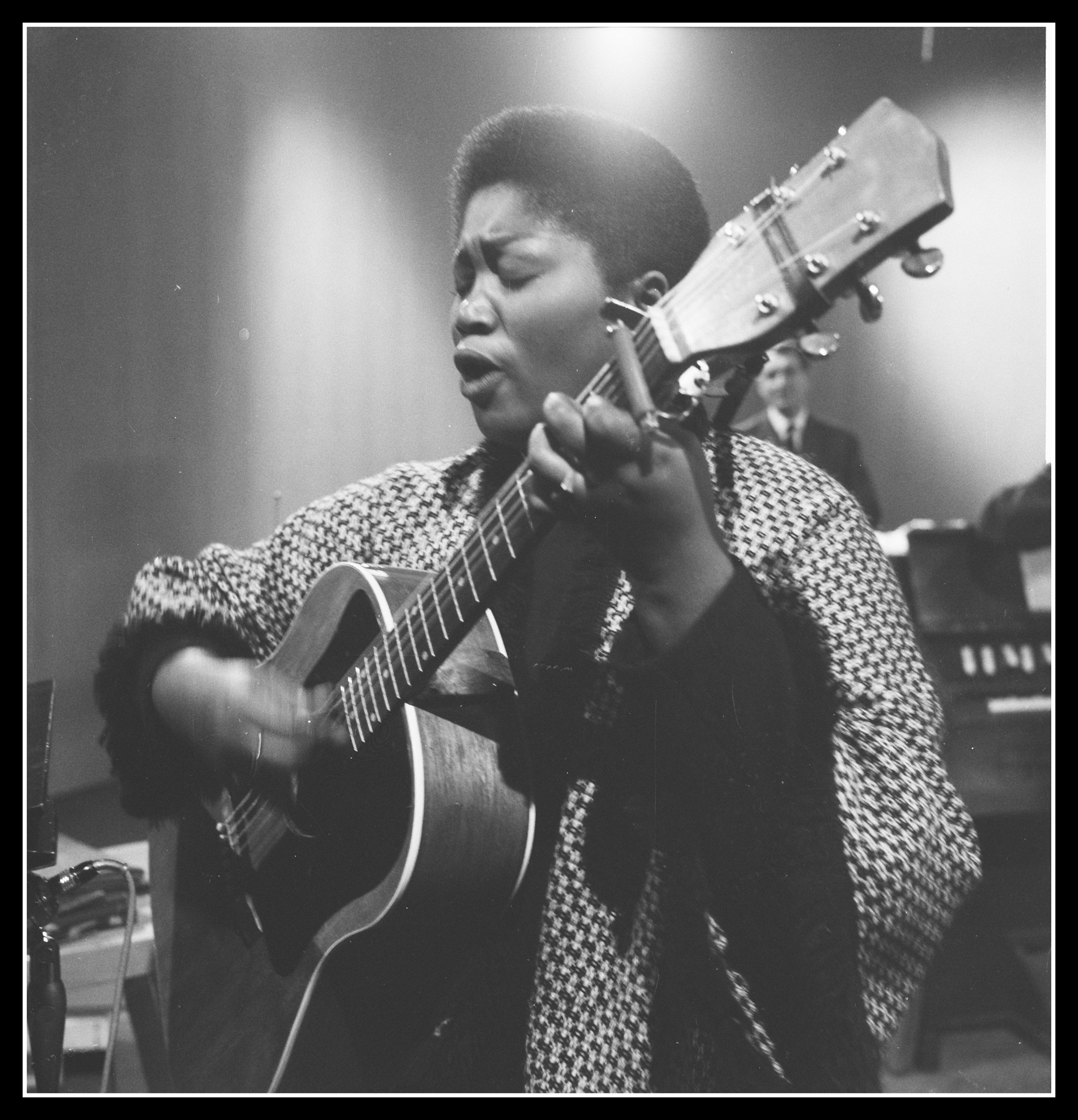
Odetta was one of the defining voices of American folk music. Though she had been trained in classical music, she was drawn to spirituals, work songs, traditional ballads, and blues. These songs told the stories of true life – of struggle and of those who overcame oppression. Odetta used her theater training and deep resonant voice to bring these messages to life. Her work inspired later artists like Bob Dylan and Joan Baez, served as a soundtrack for the social reforms of the 1960s, and led to her honorary title as “The Voice of the Civil Rights Movement” and “The Queen of Folk Music.
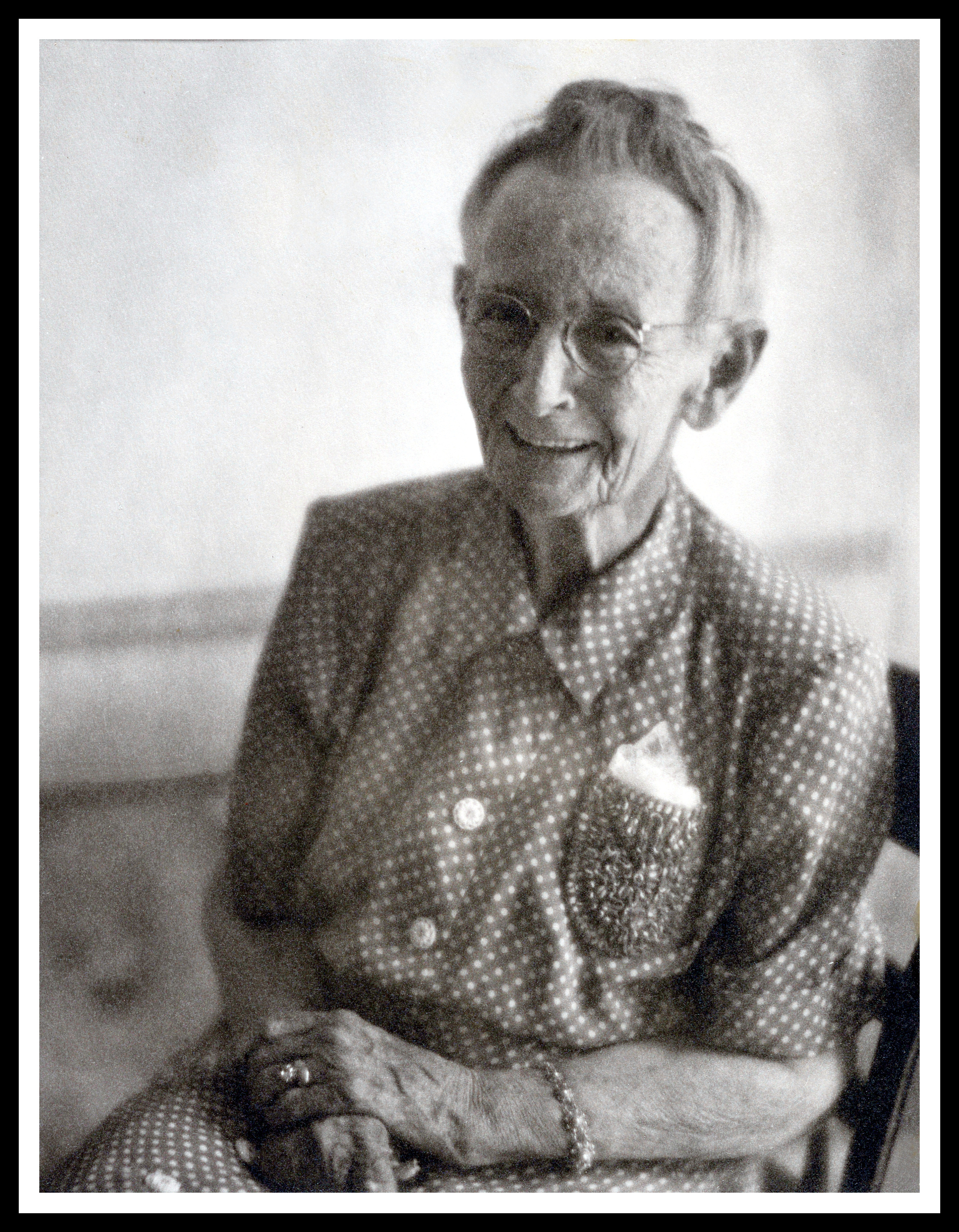
Anna Mary Moses spent the last twenty years of her life as a beloved and celebrated artist after a hobby became an occupation in the most astonishing way.
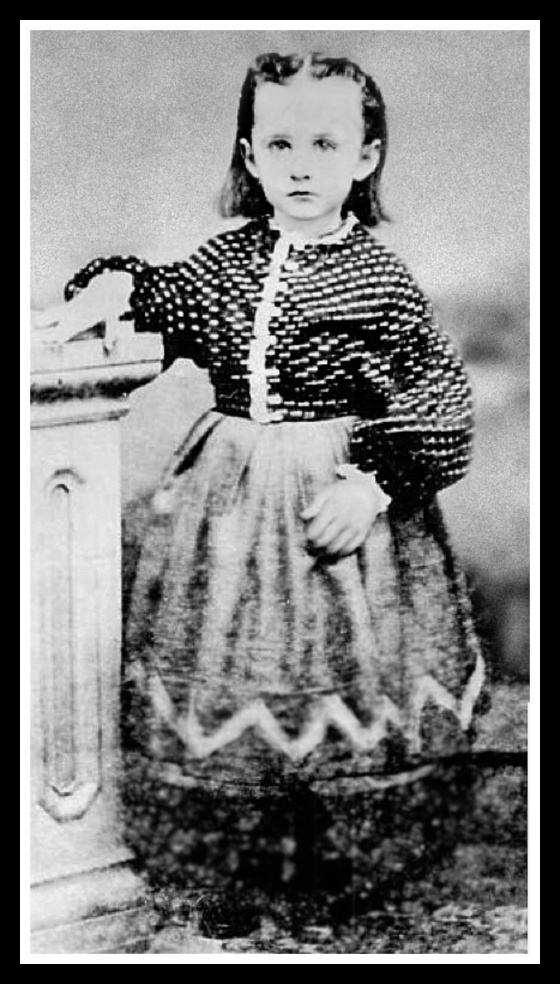
Anna Mary Moses was born when Abraham Lincoln was president and died when John Kennedy was; she lived through one Civil, and two World wars, and was one of the first women in the US to legally vote. Because her life was so full, she didn’t take up painting as her primary hobby until she was in her 70s, and was on a rocketship of world fame as a celebrated artist until she was in her 80s.