Still a top-tier platform, though increasingly criticized for its impact on self-image. It remains the primary space for aesthetics and "It Girl" styling.
The modern landscape of girl-led media is decentralized, spanning multiple formats and interactive platforms. Each space serves a distinct purpose in their creative ecosystem. Short-Form Video and Trend Generation
But Gen Z and Gen Alpha have ripped up that script. The phrase "Girls do" is no longer followed by "their makeup" or "gossip." Today, Girls do horror podcasts. Girls do deep-dive video essays on niche anime. Girls do run multi-million dollar fan edit studios on TikTok.
Blending beauty advice with personal storytelling.
The demand for high-production value has decreased. Girls are creating content that is raw, relatable, and unfiltered, which resonates far more than glossy, unattainable lifestyles [1].
Fan culture, or "fandom," is frequently dismissed as mere obsession. In reality, the fandom structures organized by teenage girls are highly sophisticated networks of media distribution and analysis.
In recent years, the industry has undergone a transformation characterized by stricter verification processes and a focus on performer autonomy. This change was largely driven by legal challenges against companies that were found to have used deceptive recruitment tactics. These cases highlighted the importance of:
Perhaps the most significant shift is the mainstreaming of "girl culture" as a legitimate critical lens. The re-evaluation of Taylor Swift’s songwriting as literary, the scholarly analysis of the Twilight saga’s themes of consent and desire, and the nostalgic embrace of 2000s rom-coms are all evidence of a growing refusal to dismiss what girls love. This has been driven largely by the girls themselves, who, as they mature into adult critics, writers, and showrunners, are legitimizing the tastes they were once ashamed of. They are fighting to have their emotional responses to art treated not as trivial, but as valid data about the human condition.
The content created for and by teenage girls often reflects their interests, concerns, and values, which can include:
Teenage content creators act more like digital peers than distant idols. Their followers trust their recommendations on books, fashion, and music, effectively shifting marketing power away from traditional advertising agencies. 2. Digital Subcultures and Community Building
Simple, Intuitive, Efficient and Clean

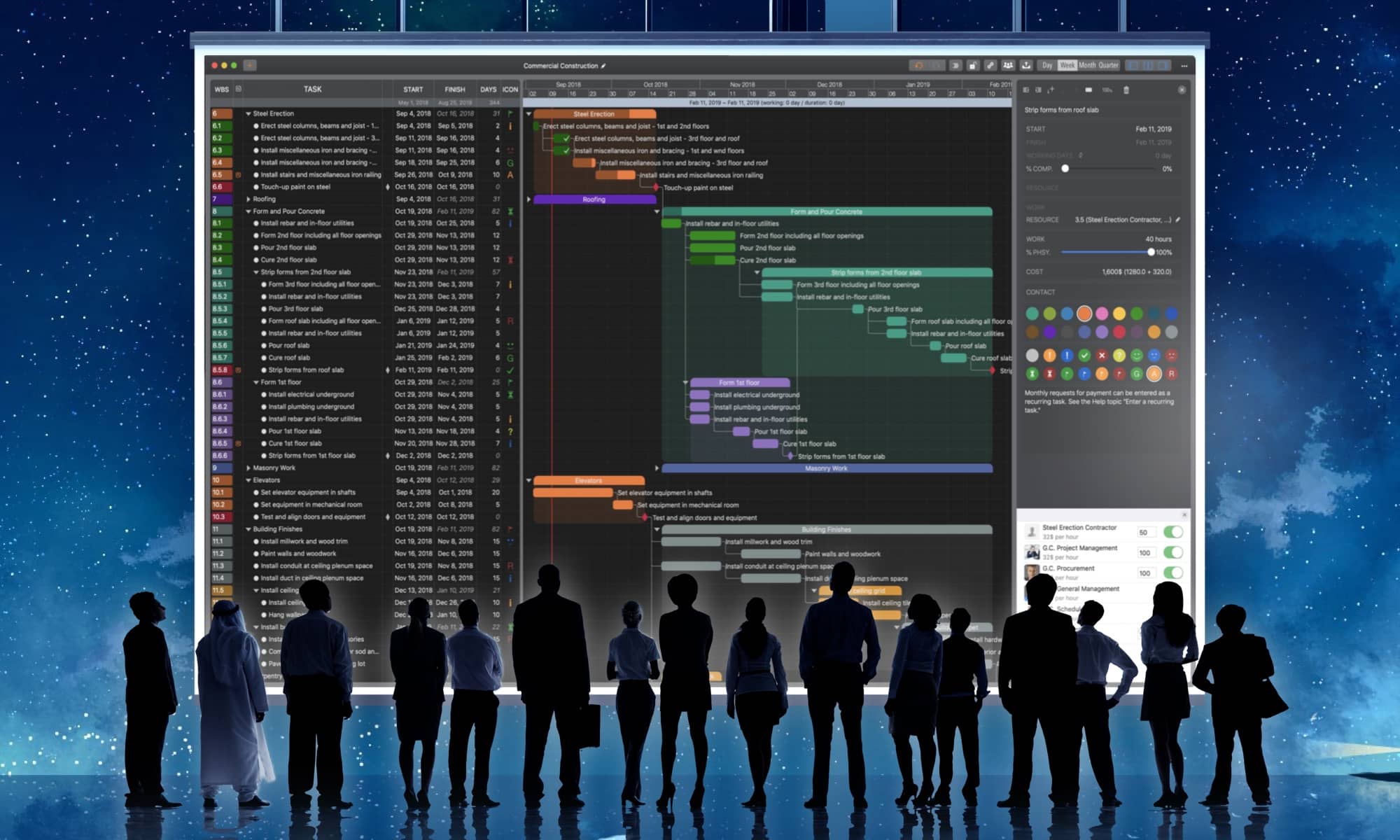
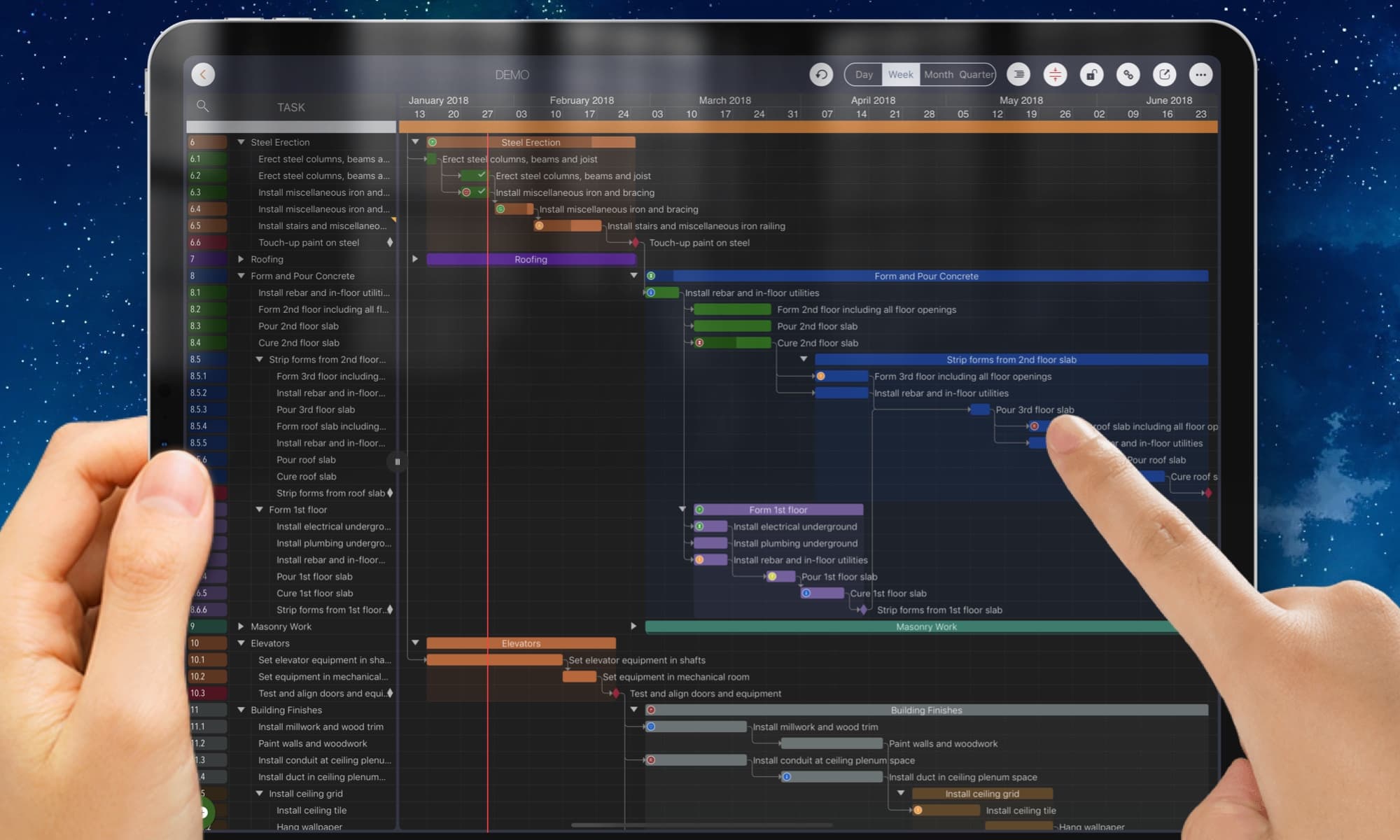
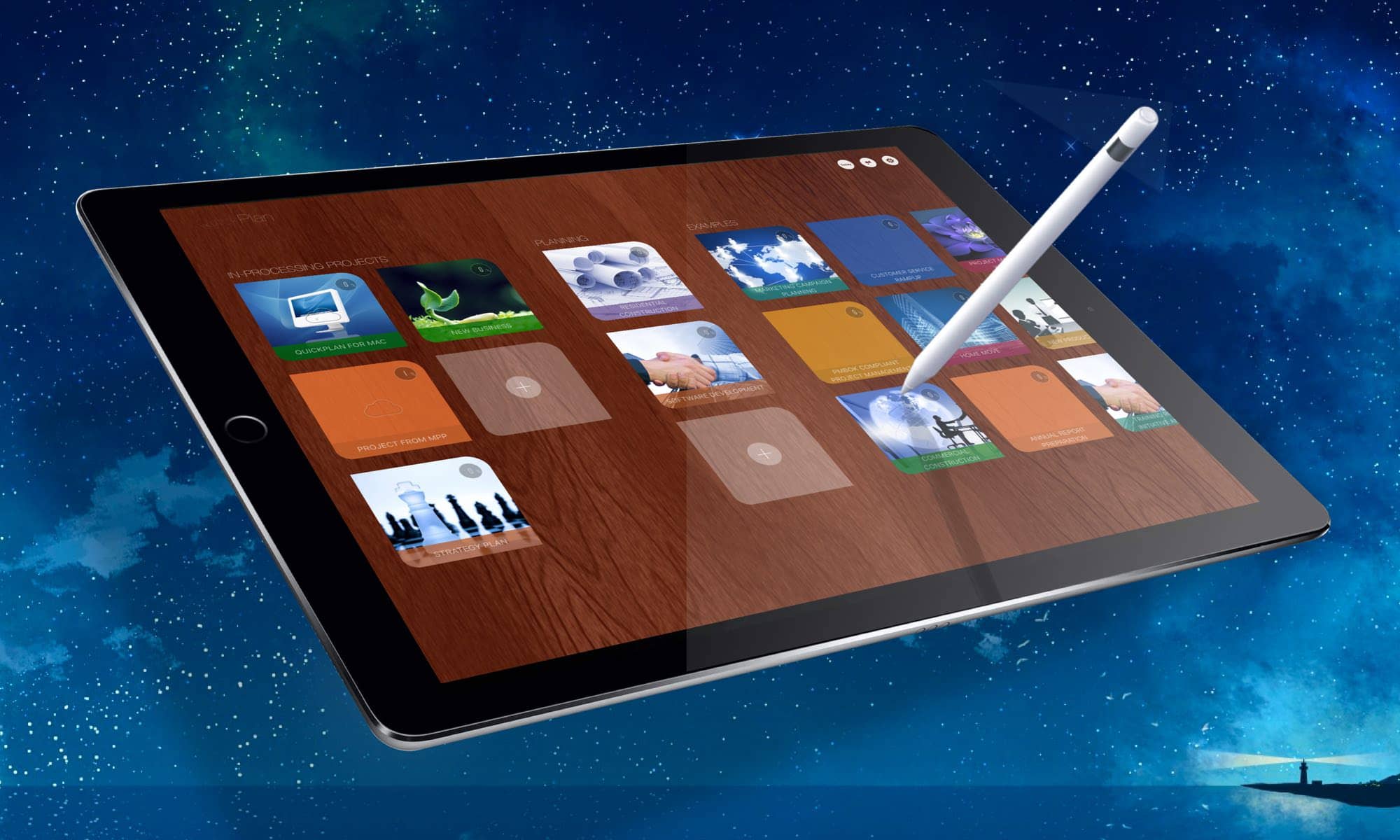
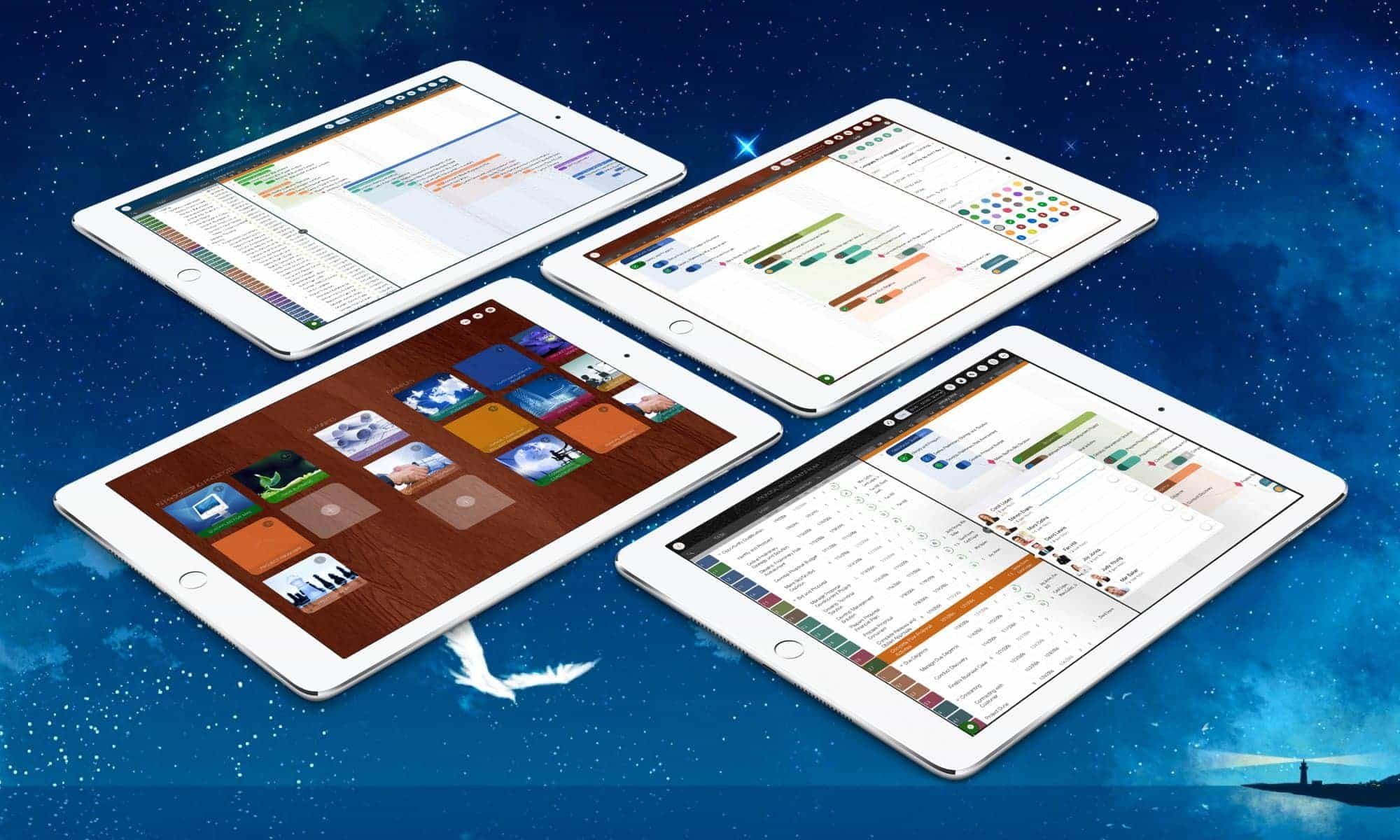
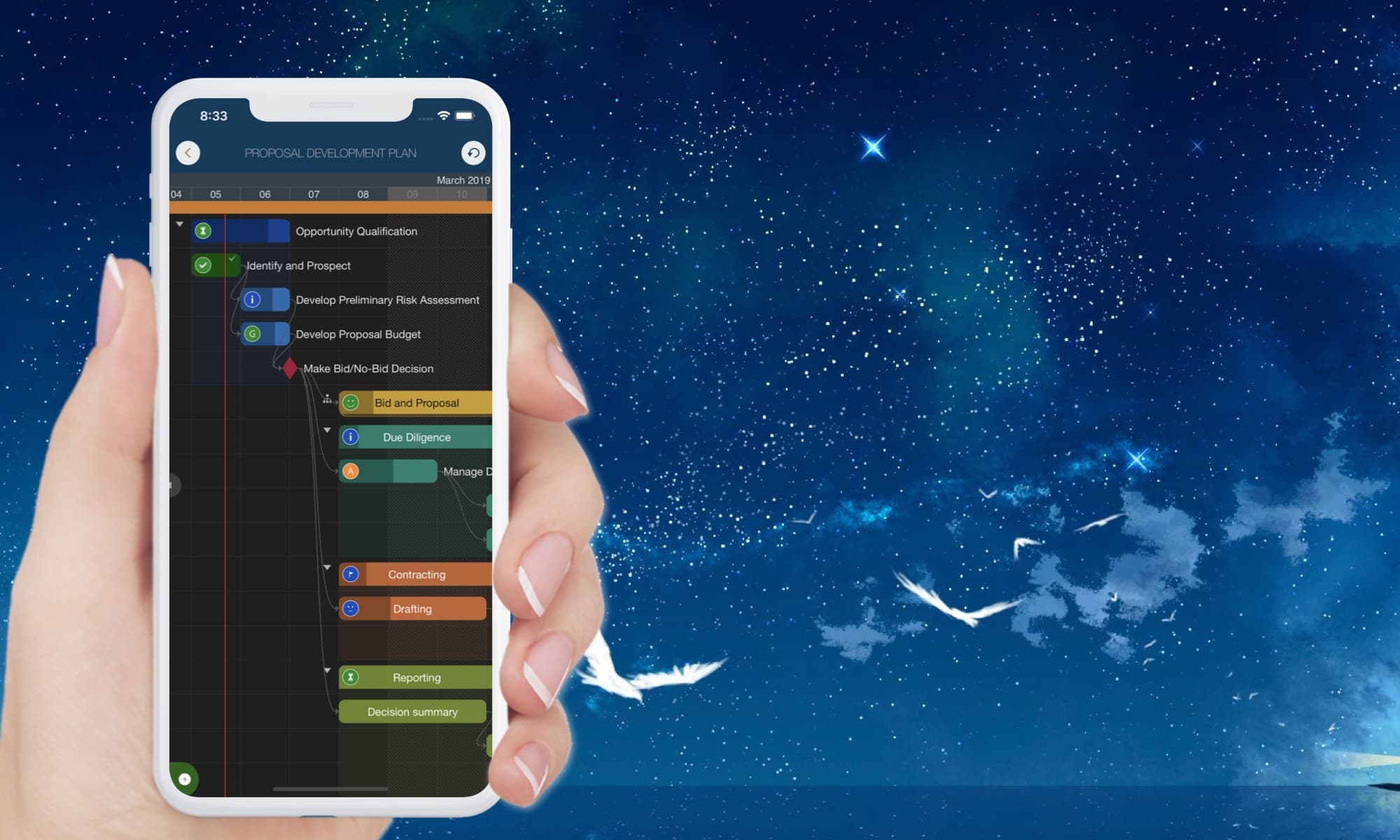
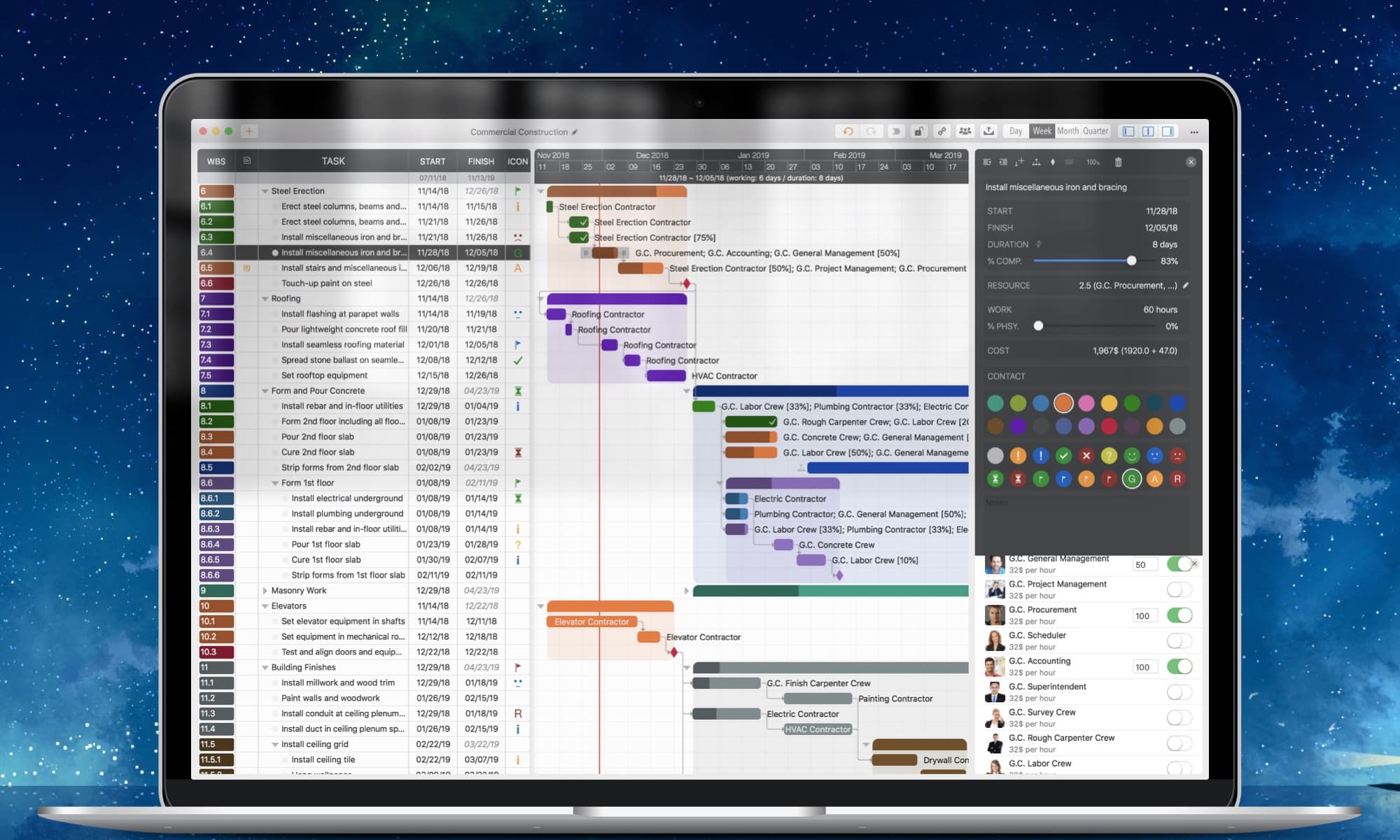
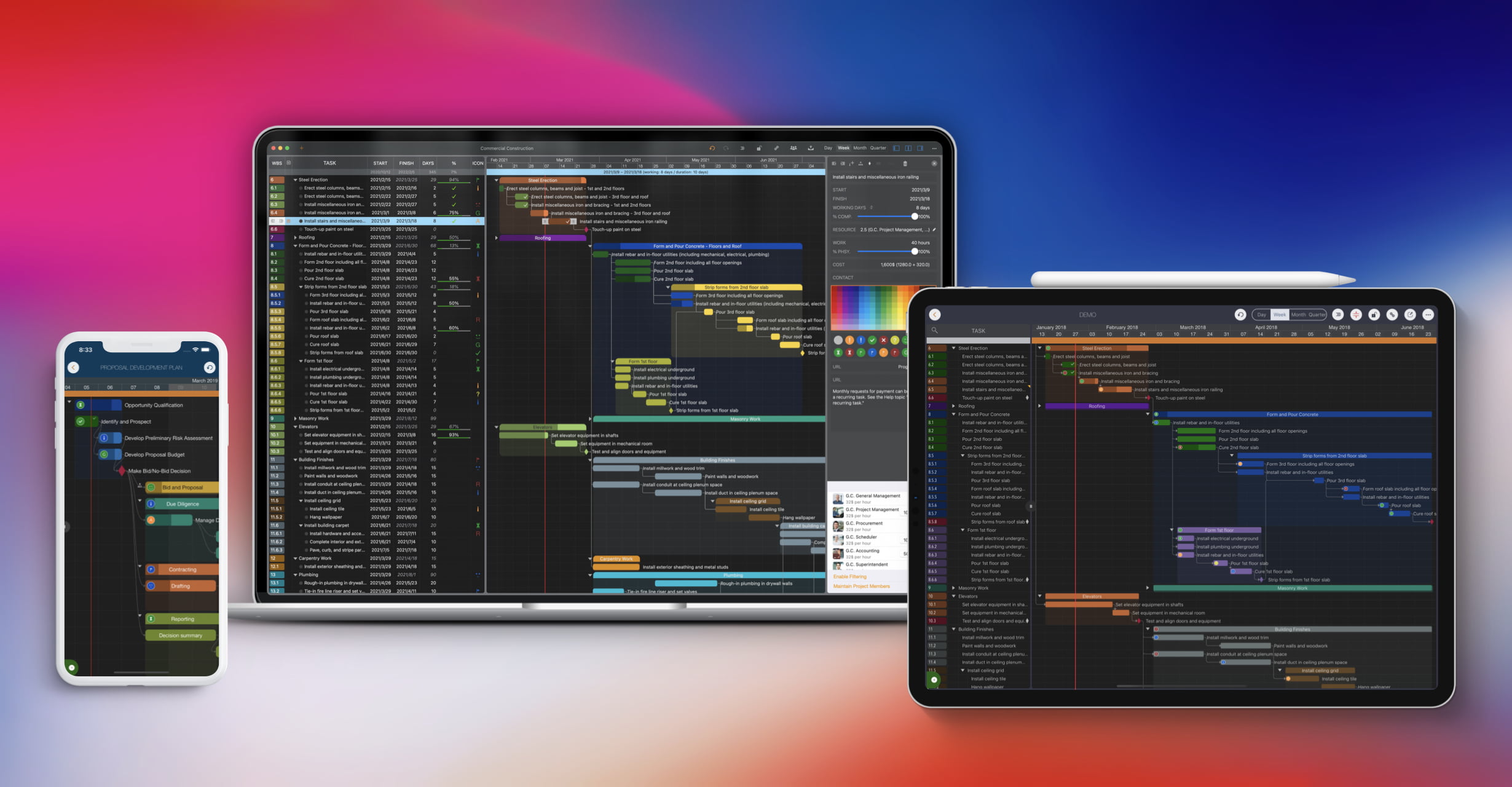
QuickPlan brings the best features of Microsoft Project to iOS and macOS without the complexity—delivering the INTUITIVENESS and SIMPLICITY you know and love.
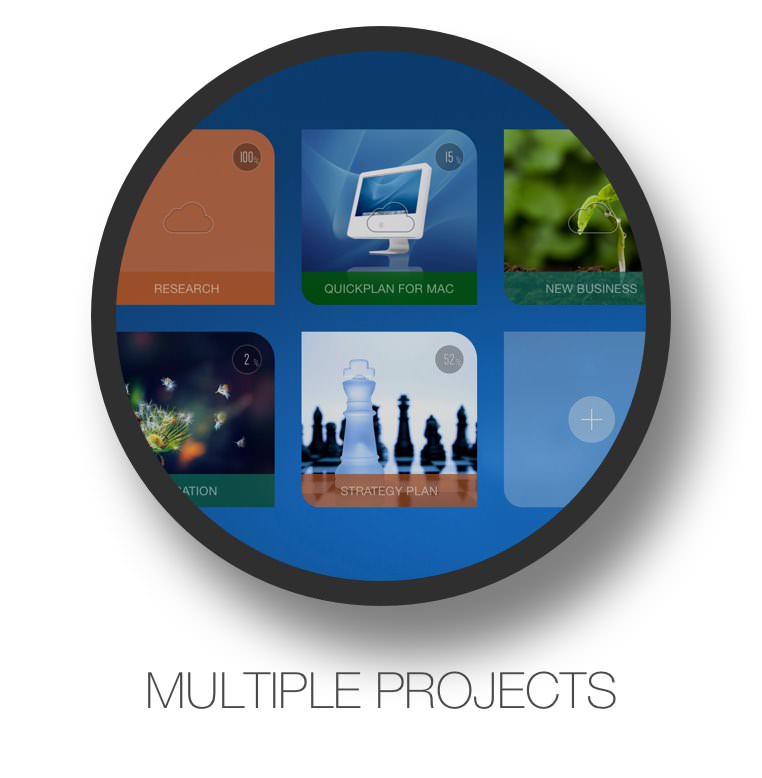
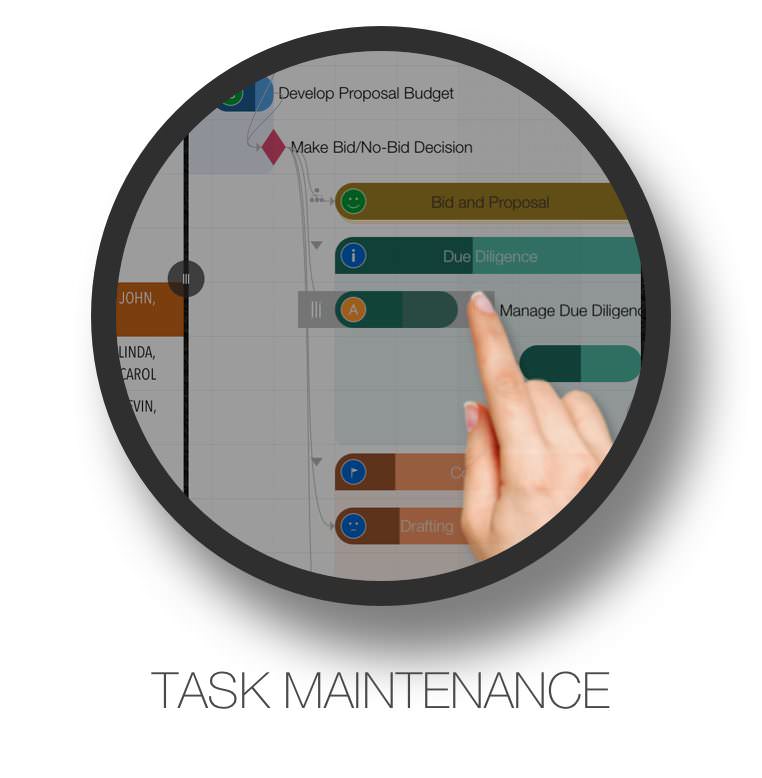
Export your projects to PDF, Excel, and image files with flexible and powerful customization options for content and layout.View Details
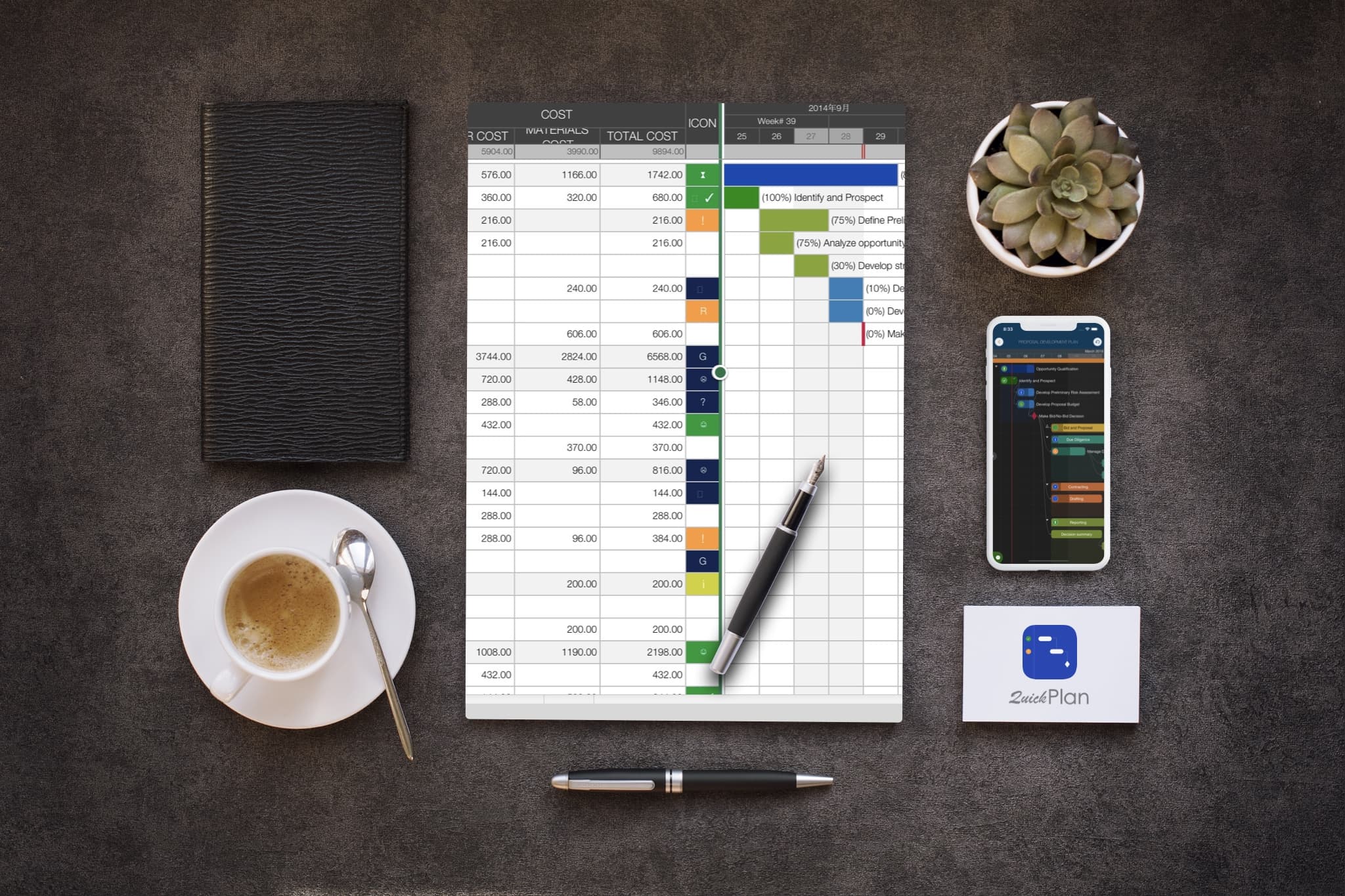
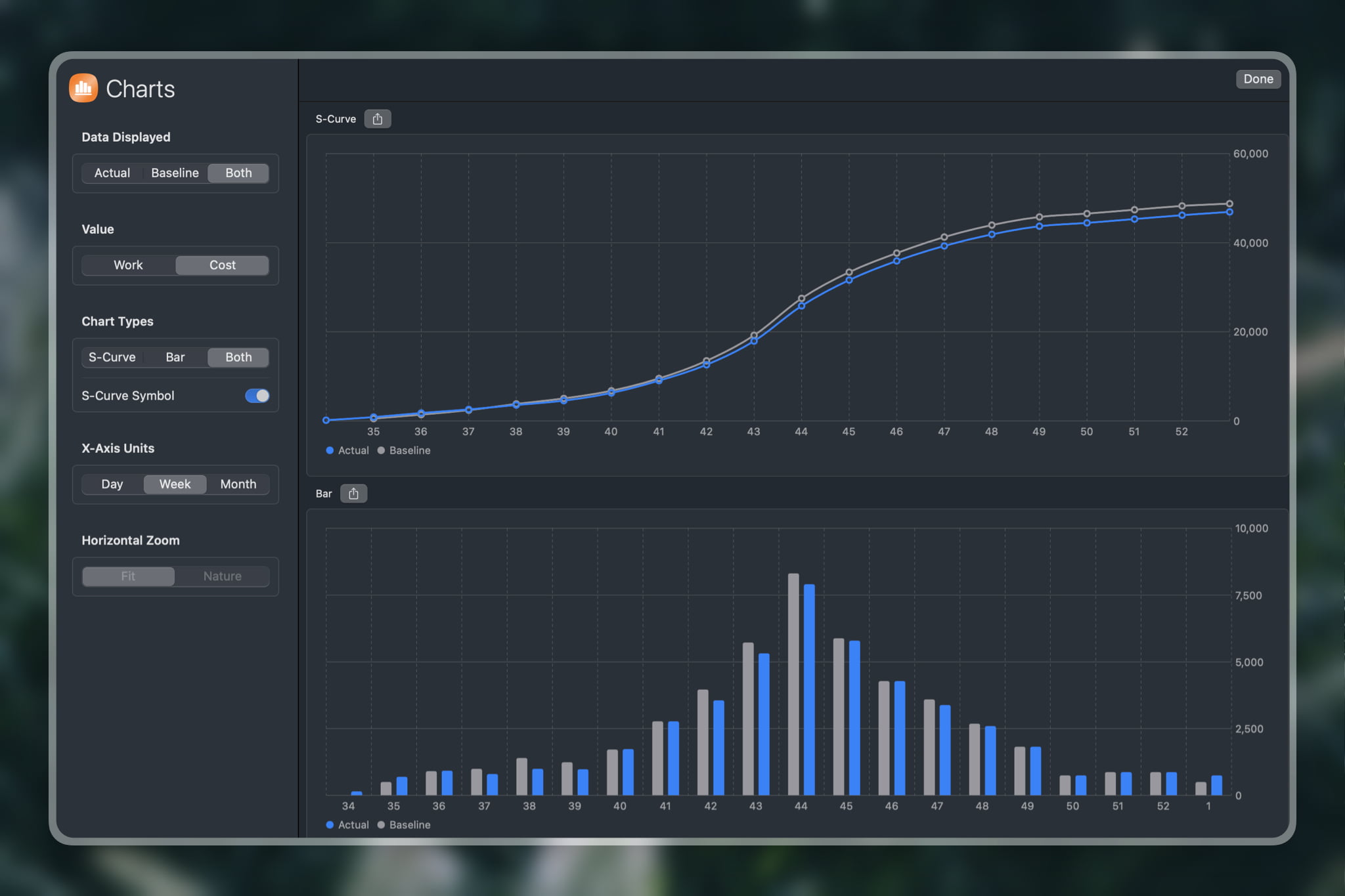
Create and compare baselines, generate reports, and customize S-Curve and Bar charts with ease.
Share projects seamlessly across teams and devices using AirDrop, Dropbox, OneDrive, and other cloud storage services.
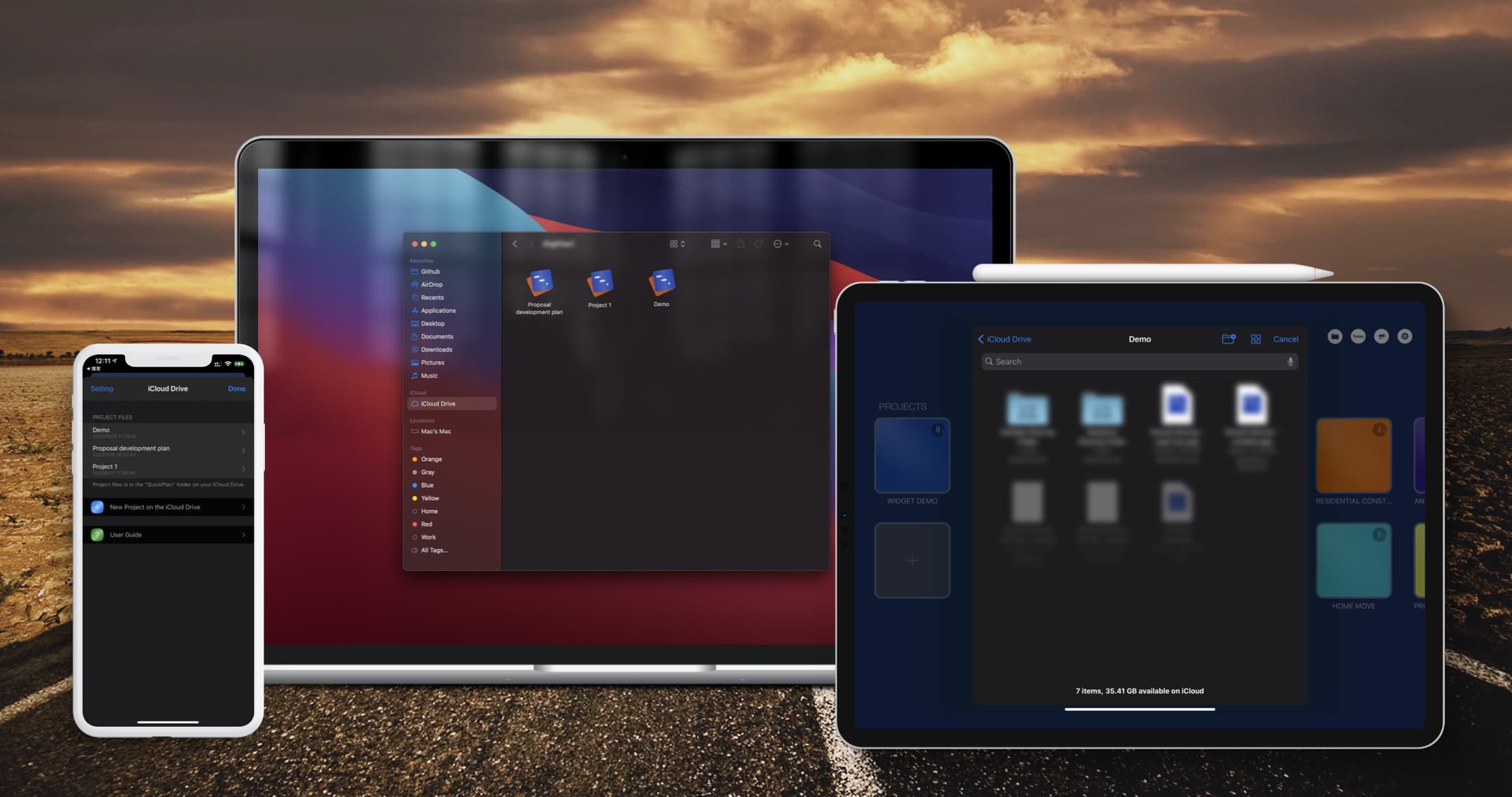
Sync project files between iOS and Mac devices via iCloud Drive.View Details
Export to Microsoft Project files (.XML format) and import from Microsoft Project files (.xml format).View Details

Import from Mind Map (.opml) files, and export to OPML format (QuickPlan for Mac).View Details
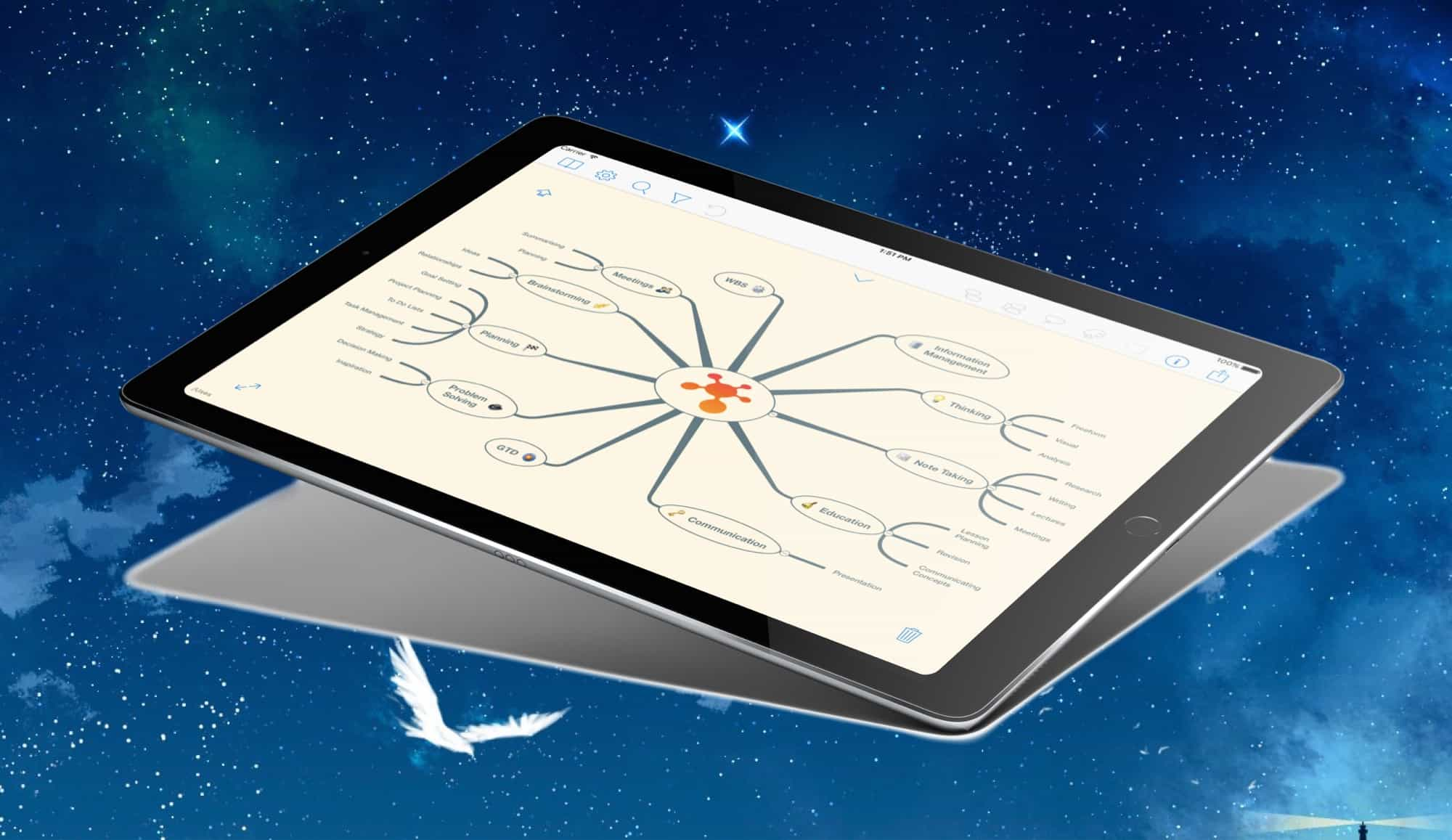
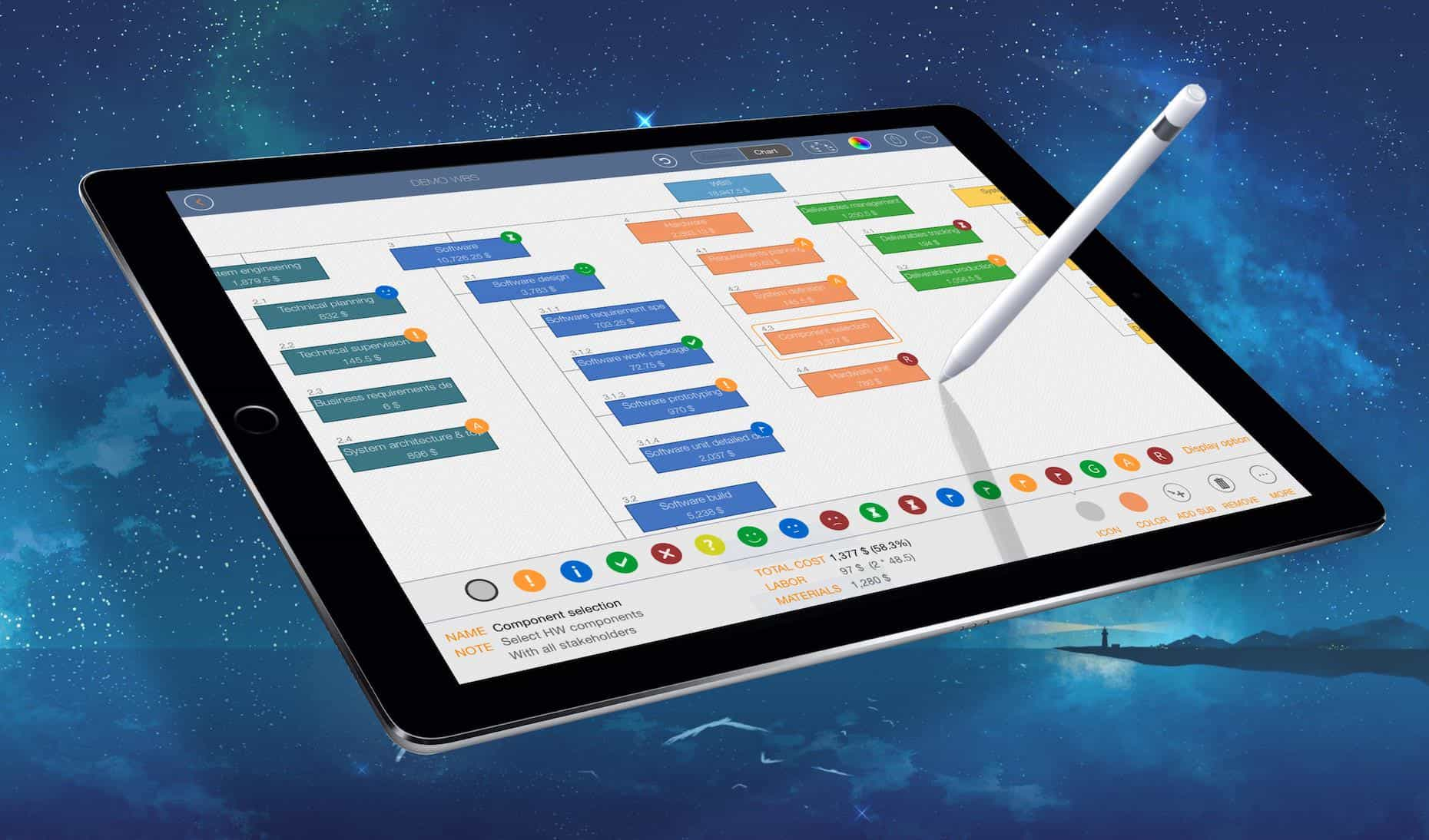
Simplify input/output in the project management process with Swift Apps WBS.View Details
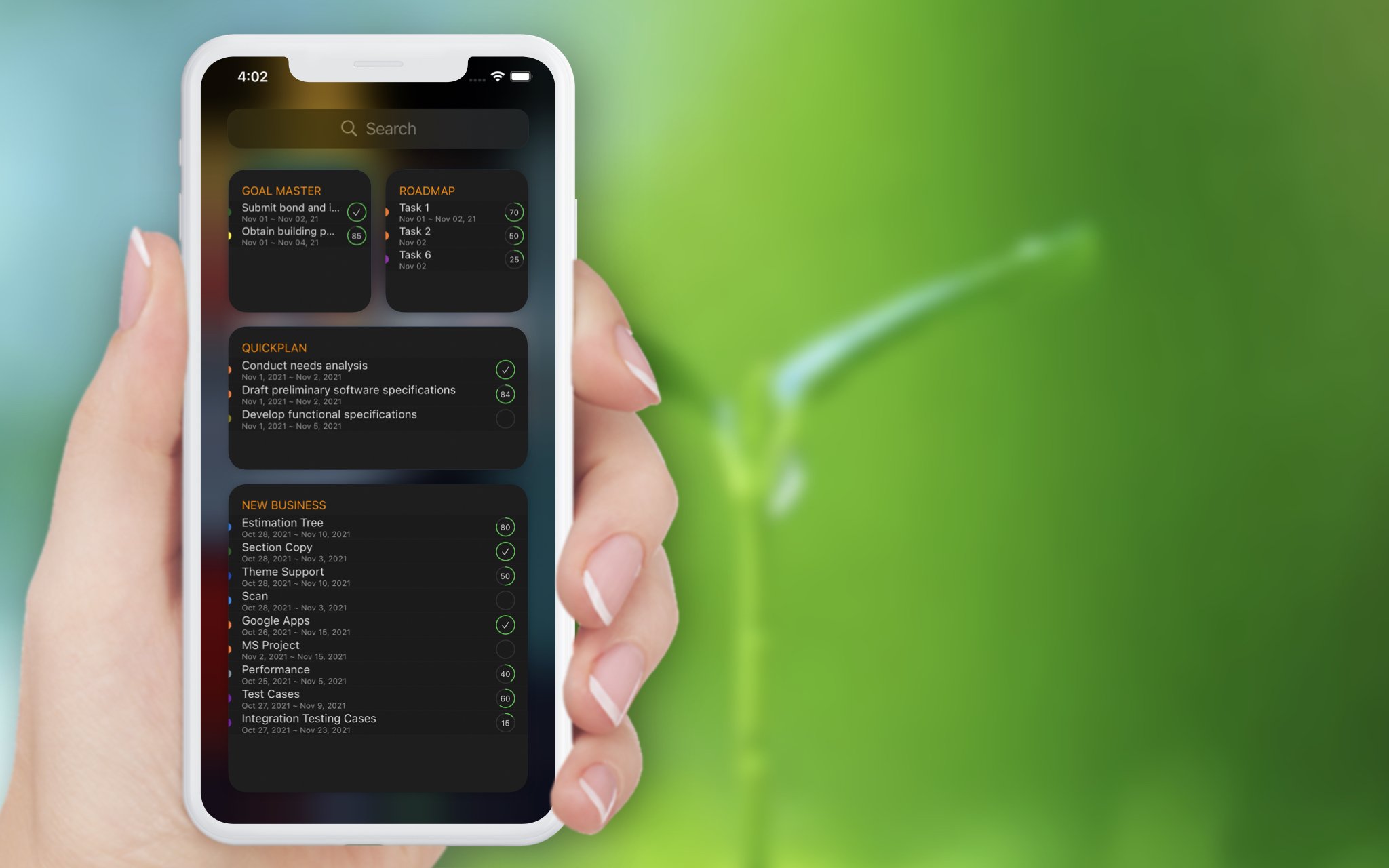
Today Widget, local notifications, and in-app Today list with multiple project selection options.View Details

Dob Chris
QuickPlan app is the best planning app I have ever used. It is very easy to use and helps me to be more efficient in my work. It has all the features I need to plan my projects effectively and collaborate with my team members smoothly. It is smart and strong enough to handle complex projects and large data sets. I highly recommend QuickPlan app to anyone who wants to plan smart and work easy. 👍
Txavatar
I have all the project geek merit badges – PMP certified, contributing author of the PMBoK, and a 20 year veteran of running projects up to thousands of personnel and billions of dollars. This tool shines in regard to easy of use combined with functionality. 99% of the users of Microsoft Project can’t properly use more than 10% of the application as everyone geeks out and wants more functions and more gadgets. QPP allows you to QUICKLY get a project sketched out and running. Earned Value Calculations and Resource Leveling? Yeah good luck with that on any tool. Im not going to suggest any more functionality to this tool to avoid unnecessarily complicating it but I will ask for a web-based or Mac-based app to easier support the initial keying and loading of all the project activities. That’s not a shortcoming of QPP but rather of iPads, which simply aren’t as good as a full size keyboard for data entry.Thanks for a terrific App!!
Scott, PMP
This is my go to app for project planning and tracking on iOS. I’m using it daily to plan and track projects and have found it to be the best project management app for iOS thus far. The ability to quickly enter information, move it around and organize it so that clients and stakeholders can understand it is priceless. In addition to project tracking, I’m using it for high level program management reporting to align management stakeholders to the overall plan and status.The developer has done a great job with the user interface and user experience. There are video tutorials available on how to use the app making it very clear on how to use. I’ve found it to be very intuitive which has made it easy to learn and use so I can quickly make changes while discussing the project with clients.The export functions are great making it easy to send a snapshot via PDF, Excel or PNG to stakeholders and resources to keep everyone on the same page with the project. Exporting XML works great when it’s time to make the schedule more complex than what should be managed on the iPad or if needed to align with an enterprise project reporting tool.I’m using the app daily and have found it to be the best project planning tool on iOS that is available.
Still a top-tier platform, though increasingly criticized for its impact on self-image. It remains the primary space for aesthetics and "It Girl" styling.
The modern landscape of girl-led media is decentralized, spanning multiple formats and interactive platforms. Each space serves a distinct purpose in their creative ecosystem. Short-Form Video and Trend Generation
But Gen Z and Gen Alpha have ripped up that script. The phrase "Girls do" is no longer followed by "their makeup" or "gossip." Today, Girls do horror podcasts. Girls do deep-dive video essays on niche anime. Girls do run multi-million dollar fan edit studios on TikTok.
Blending beauty advice with personal storytelling.
The demand for high-production value has decreased. Girls are creating content that is raw, relatable, and unfiltered, which resonates far more than glossy, unattainable lifestyles [1].
Fan culture, or "fandom," is frequently dismissed as mere obsession. In reality, the fandom structures organized by teenage girls are highly sophisticated networks of media distribution and analysis.
In recent years, the industry has undergone a transformation characterized by stricter verification processes and a focus on performer autonomy. This change was largely driven by legal challenges against companies that were found to have used deceptive recruitment tactics. These cases highlighted the importance of:
Perhaps the most significant shift is the mainstreaming of "girl culture" as a legitimate critical lens. The re-evaluation of Taylor Swift’s songwriting as literary, the scholarly analysis of the Twilight saga’s themes of consent and desire, and the nostalgic embrace of 2000s rom-coms are all evidence of a growing refusal to dismiss what girls love. This has been driven largely by the girls themselves, who, as they mature into adult critics, writers, and showrunners, are legitimizing the tastes they were once ashamed of. They are fighting to have their emotional responses to art treated not as trivial, but as valid data about the human condition.
The content created for and by teenage girls often reflects their interests, concerns, and values, which can include:
Teenage content creators act more like digital peers than distant idols. Their followers trust their recommendations on books, fashion, and music, effectively shifting marketing power away from traditional advertising agencies. 2. Digital Subcultures and Community Building
© 2013 ~ 2026 COPYRIGHT QUICKPLAN | All Rights Reserved
Swift Apps