Features Preview
See it in action.
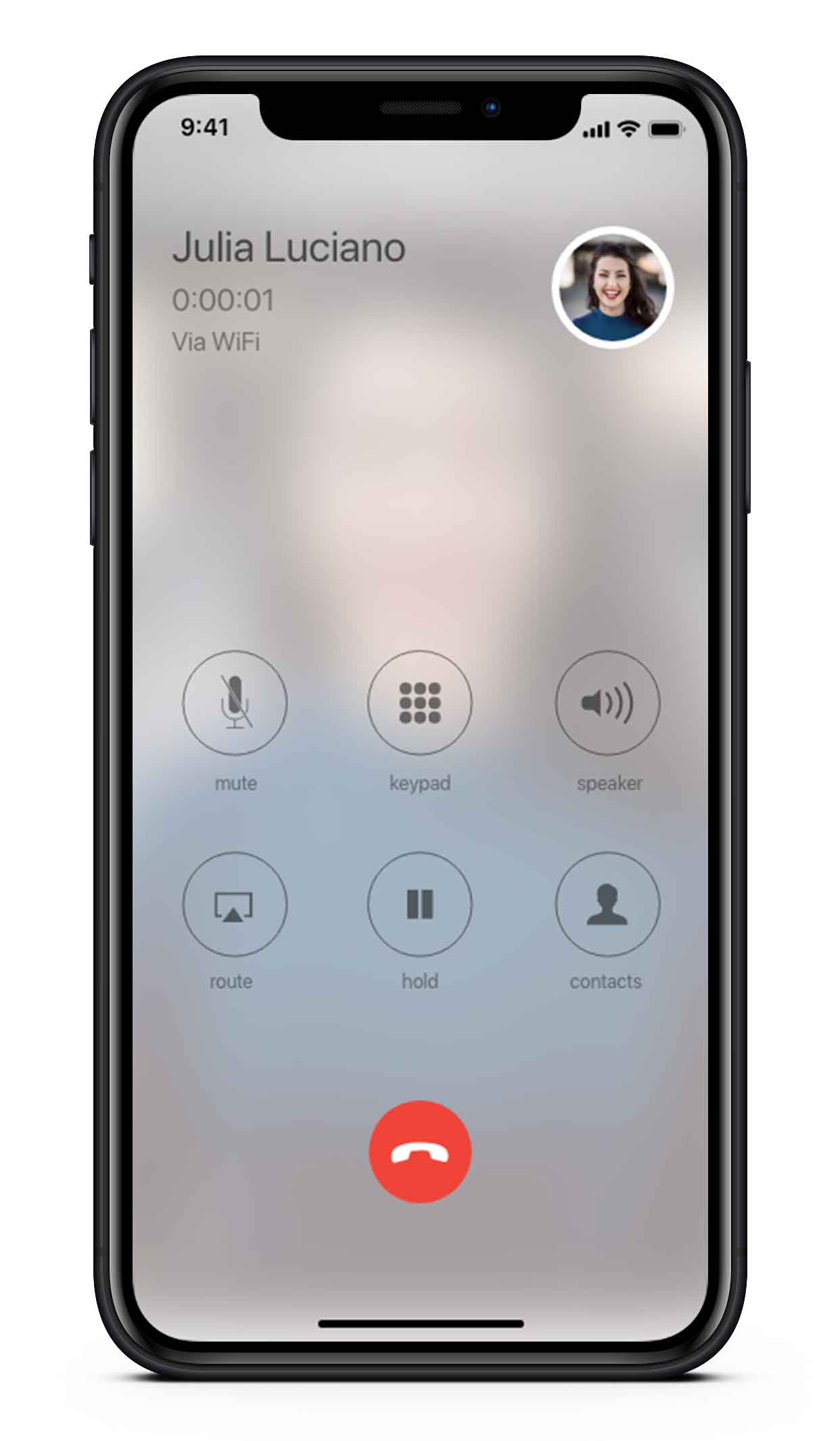
Call anyone, anywhere
No cell minutes used
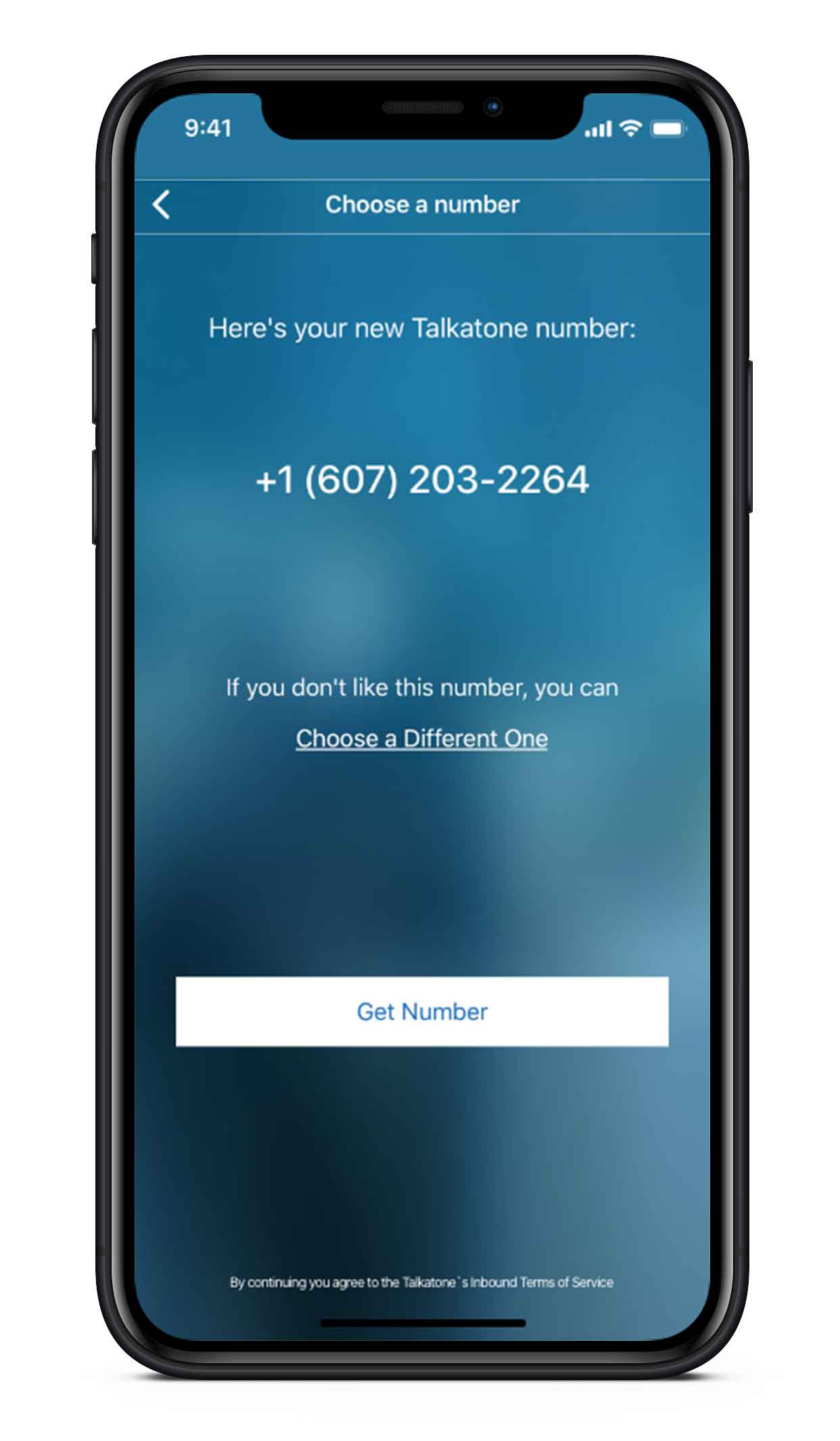
Get a US phone number
No charges, no fees
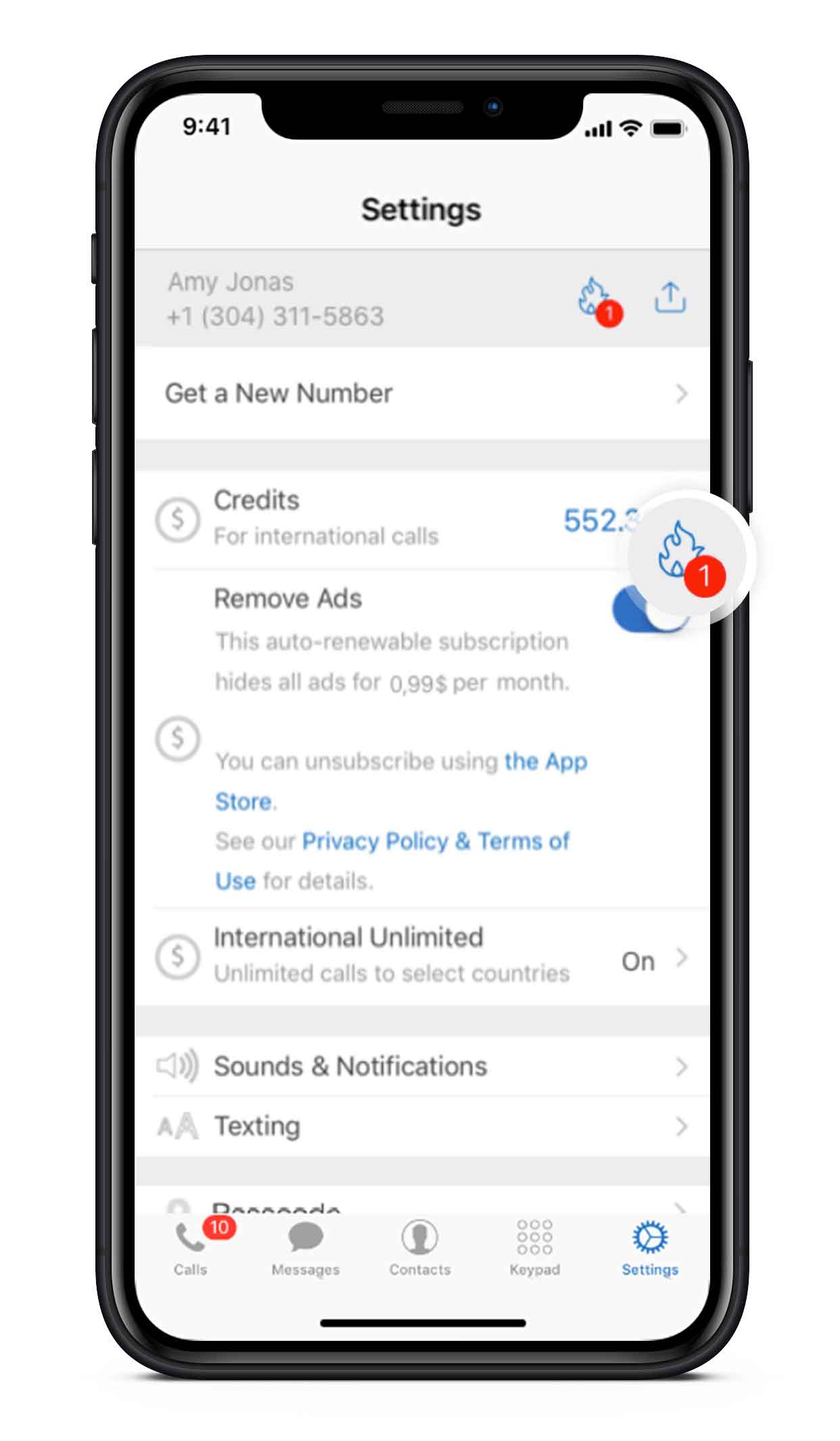
Change your number anytime
And keep your message and call history
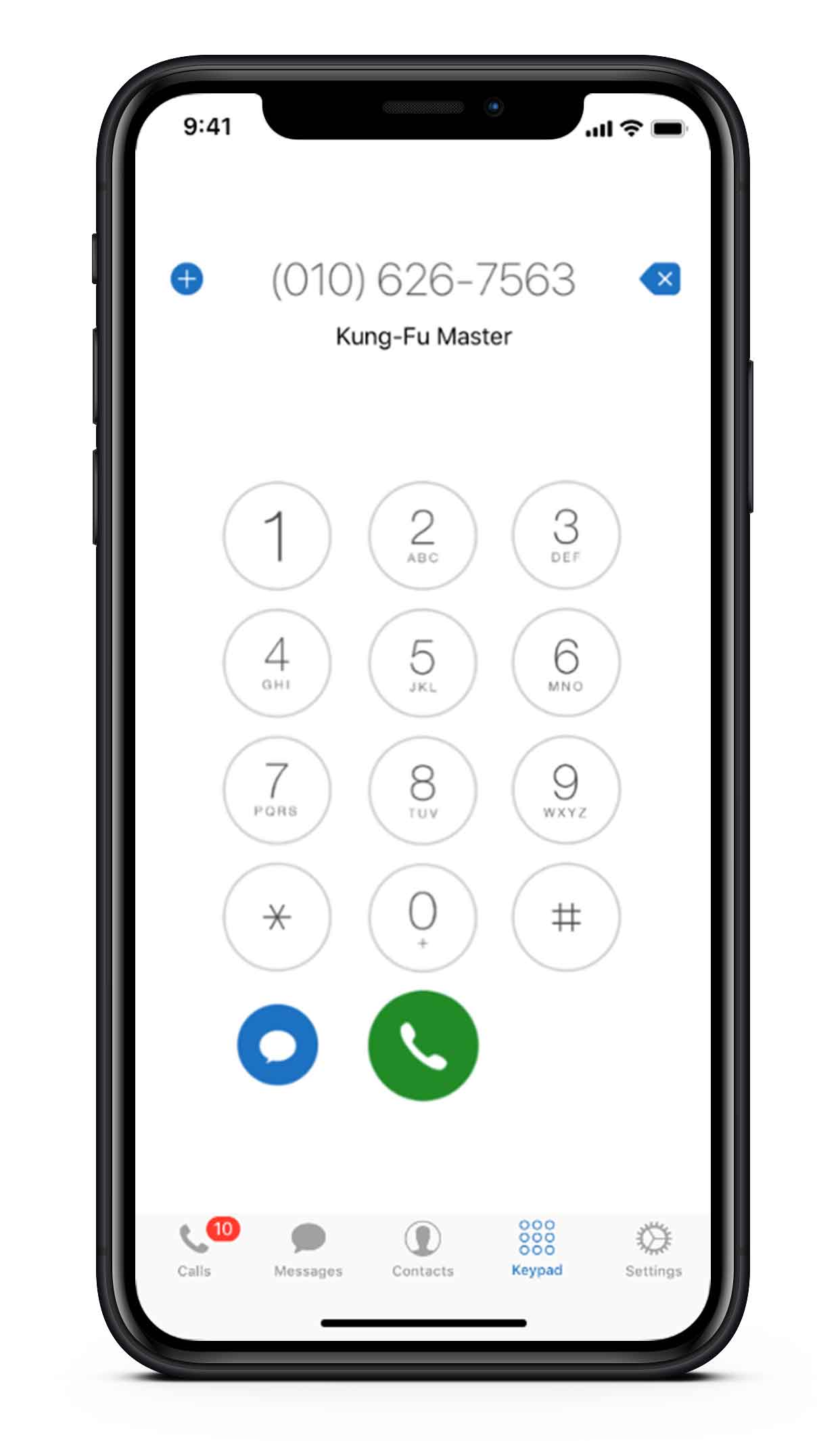
Calls and texts
To most US numbers
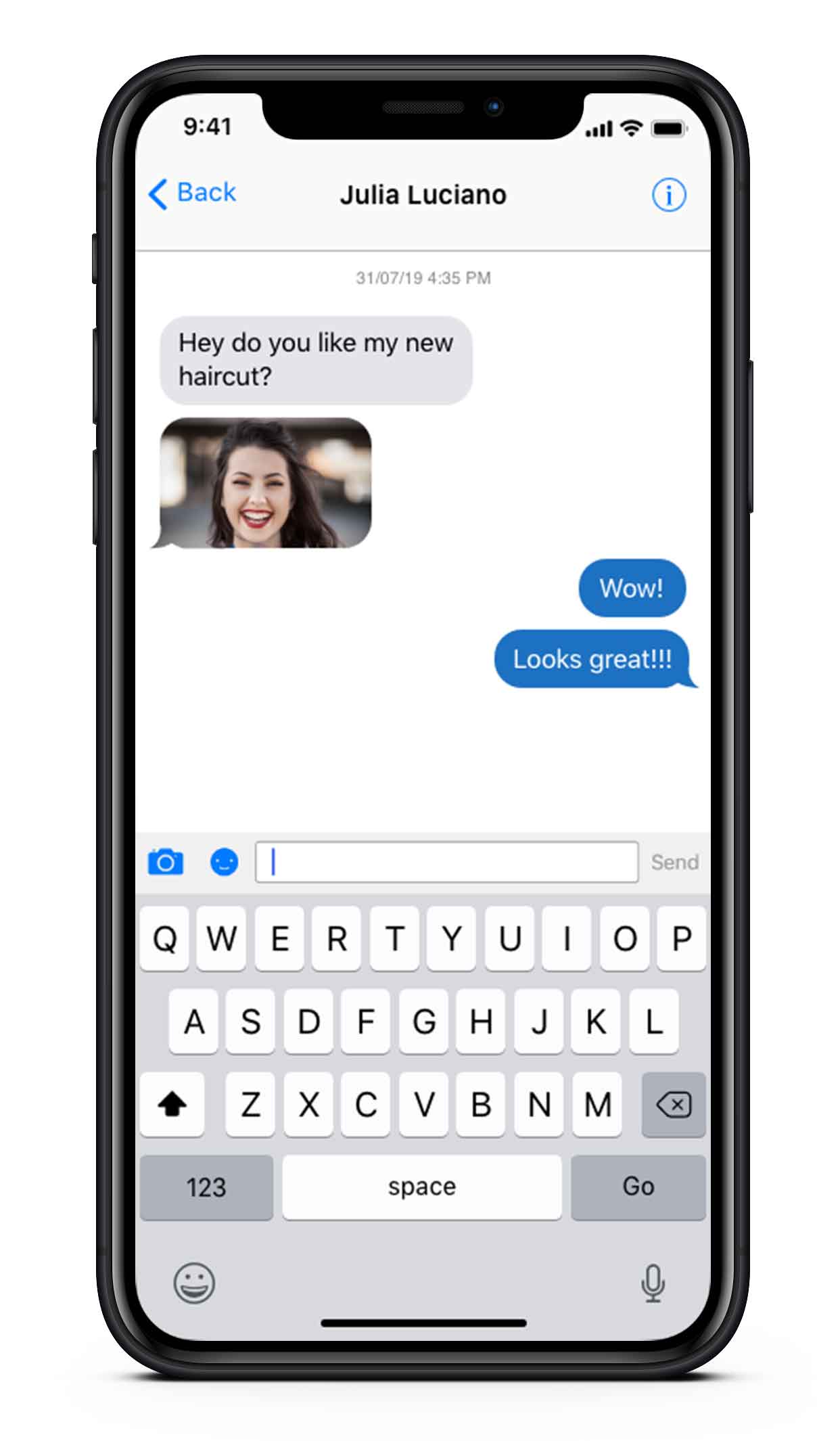
The calling app that let’s you choose your own free U.S. phone number. Make and receive free texts and calls to most U.S. phone numbers, including landlines.
Unlimited texting to U.S. phone numbers.
Call and text friends and family with Talkatone via WiFi or cell data; no cell minutes required. Turn your iPod or iPad into a phone (also available for Android).
Take your iPhone, iPad or iPod with you when you travel. Call and text U.S. phone numbers on WiFi without paying outrageous roaming charges.
Connect with your friends and family. Truly unlimited free Talkatone-to-Talkatone calls and texts anywhere in the world, including picture messaging.
The most insidious form: even after the fact, forensic tools cannot determine if an event was an error or an intrusion. Example: A memory corruption bug causes a privileged process to crash. The same crash signature can be produced by a crafted exploit. Without cryptographic attestation, investigators are left with a permanent “intruderrorry.”
In the ever-evolving landscape of cybersecurity, threat detection and prevention have become top priorities for organizations of all sizes. One crucial component of a robust cybersecurity strategy is the Intrusion Detection System (IDS). However, despite their importance, IDS solutions can sometimes generate false positives or incorrect alerts, leading to a phenomenon known as the "intruderrorry" or, more commonly referred to as, "intruder error."
An IDS generates a false positive, flagging a routine activity as a high-priority alert. The analyst, influenced by their recent memory of a similar, but real, past incident (an intrusion error), spends hours investigating a benign event. While they are distracted, a separate, real attack (a false negative) goes completely unnoticed by both the analyst and the system. The false positive created a "shadow" that masked the true intrusion.
: Intentional system anomalies generated by attackers to distract security teams while the real breach happens elsewhere. How Intrusion and Errors Intersect in Cybersecurity 1. Exploiting the "Fail-Open" Vulnerability intruderrorry
Use strong, unique passwords and enable multi-factor authentication [11].
A 2025 report noted that 50% of detection rule failures stemmed from log collection issues . An engineer, in a rush, misconfigures a log source. This is a simple "error." However, when the SOC team later tries to investigate a potential breach, they find a gap in their logs. Their memory of the configuration task might be flawed (an intrusion error, remembering they did it correctly), or they might not even know to check the configuration because they've incorrectly "retrieved" the assumption that logging is always functional. The system error and the human memory error combine to create a blind spot.
This cognitive bias has a name: . Leading organizations now run joint security‑reliability on‑call rotations, so the same person carries both lenses. The most insidious form: even after the fact,
: The system misclassifies the threat, treating the malicious entity as a benign component or failing to register the alarm until structural damage occurs. Digital Intruderrorries: Cyber Systems
Several factors contribute to intruder error, including:
To minimize the risks associated with system vulnerabilities and unauthorized access, organizations must adopt rigid technical frameworks. Defense Layer Core Strategy Primary Benefit Never trust, always verify every single request The analyst, influenced by their recent memory of
Attackers often use phishing, password cracking, or software vulnerabilities to bypass a firewall [4, 6]. Top Tips for Prevention Key Safety Strategy Use high-quality locks and security systems to detect unauthorized entry Personal Data
Triggers clean deployments directly from immutable source control. Strategic Business Benefits
This article is a speculative linguistic and analytical exercise based on an unrecognized keyword. If “intruderrorry” is later defined by a community or standard body, the above framework is offered as prior art.
Talkatone is the best option to call and text for free to and from most US and Canadian phone numbers. By contrast, Skype, Viber and Facetime are only free if the recipient has also already installed the app. Download the app on App Store or Google play.