Download and Sign Up
Security guard mobile app for guards is available on both the Apple Store and Play Store.



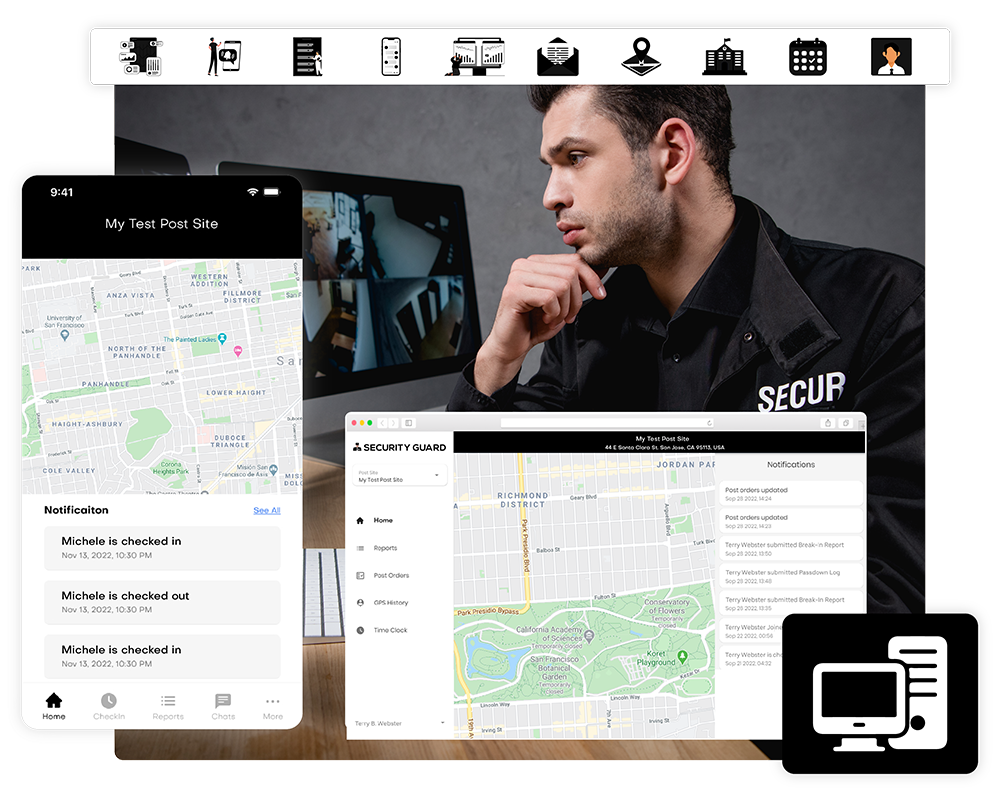













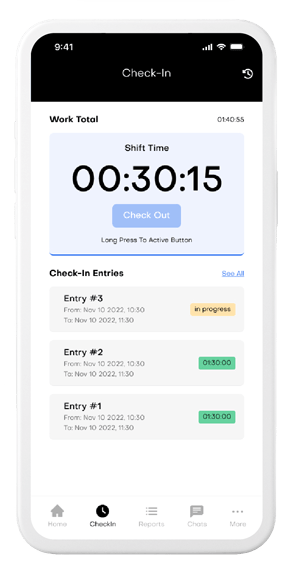

Security Guard App is packed with numerous features that help enhance data sharing and communication within your security team.
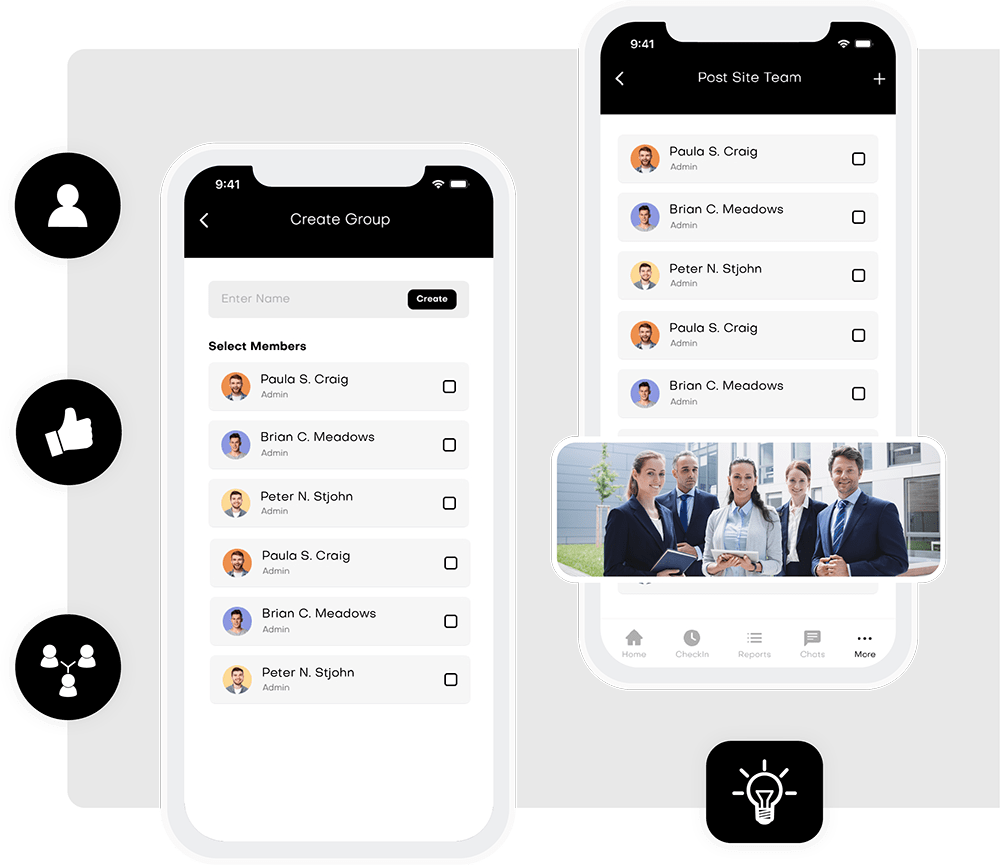
Security guard mobile and web app is everything your business needs to manage security teams and security guard operations remotely.

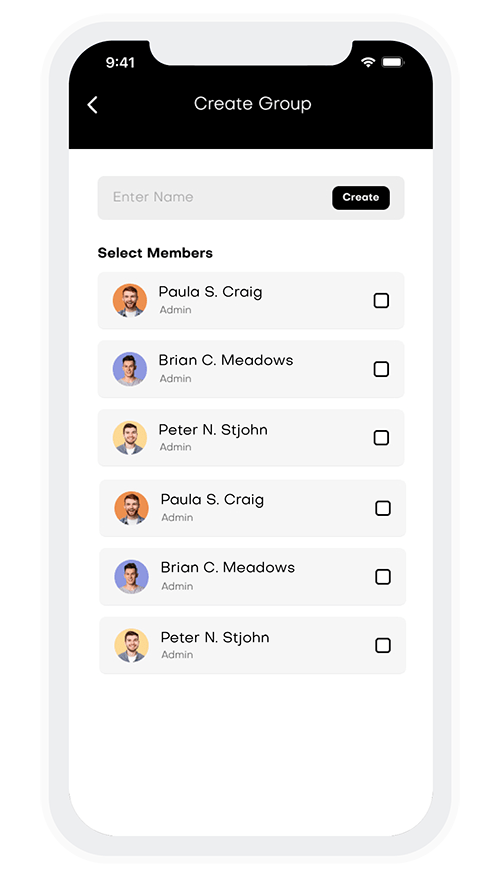
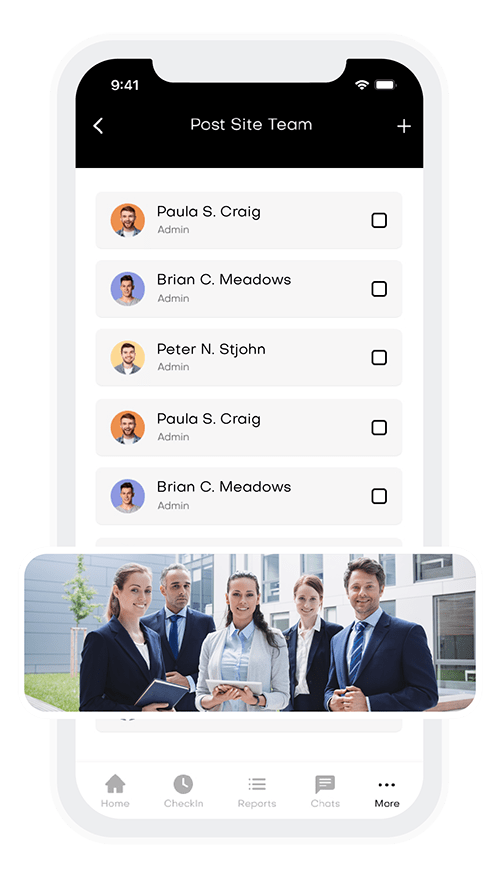




Security guard mobile app for guards is available on both the Apple Store and Play Store.

Turn on the GPS of your smartphone to select the location and start adding multiple sites.


Start inviting security guards to start collaborating and monitoring them seamlessly.


Navigating the bureaucracy required to update names and gender markers on passports, birth certificates, and driver's licenses remains difficult and costly in many jurisdictions. Moving Forward: Allyship and Inclusion
Transgender individuals often face severe barriers to accessing gender-affirming care, which major medical organizations recognize as life-saving and necessary.
: Learn about the unique challenges transgender people face, such as the difficulty of updating legal documents or accessing gender-affirming care.
The modern LGBTQ+ rights movement was built on the courage of transgender individuals, particularly trans women of color. Historically, spaces catering to sexual minorities and gender-variant people overlapped out of necessity, creating a shared culture of survival. The Spark of Resistance
: Many trans people find their strongest connections in niche spaces outside mainstream LGBTQ+ circles, such as ethnicity-based groups or the kink and polyamorous communities. Economic Barriers
The modern LGBTQ+ rights movement owes its foundational moments to transgender people, particularly Black, Indigenous, and Latine transgender women.
To outsiders, the most visible expression of LGBTQ culture is often drag performance. But the relationship between the and drag is complex. While drag is typically performance-based and episodic (a performer "puts on" a gender), being transgender is an identity (one is a gender different from that assigned at birth).
Before the 1969 Stonewall Riots in New York City, transgender individuals and gender-nonconforming people were already resisting police harassment. Events like the 1966 Compton’s Cafeteria Riot in San Francisco highlighted the breaking point of a marginalized community.
Being transgender is not just a personal identity; it is a vital part of a global cultural movement that has been redefining what it means to live authentically for centuries. This blog post explores where we’ve been, the unique culture we’ve built, and why the "T" in LGBTQ+ is so foundational to our shared liberation. 1. A Legacy of Courage: Beyond the Modern Acronym
A small but vocal minority, including groups like the "LGB Alliance" (founded in the UK), argue that trans rights conflict with gay rights. They claim that trans inclusion erodes safe spaces for same-sex attracted people (e.g., a lesbian who fears losing female-only spaces to trans women). This group often aligns with conservative political movements, creating deep wounds within the larger community.
An umbrella term for identities outside the man/woman binary, including genderqueer, agender, and gender-fluid [5.8, 28].
We help security guard companies overcome obstacles and maximize the power of their security operations effortlessly.




Security Guards And Clients Highly Appreciate
Security Guard App Features
Navigating the bureaucracy required to update names and gender markers on passports, birth certificates, and driver's licenses remains difficult and costly in many jurisdictions. Moving Forward: Allyship and Inclusion
Transgender individuals often face severe barriers to accessing gender-affirming care, which major medical organizations recognize as life-saving and necessary.
: Learn about the unique challenges transgender people face, such as the difficulty of updating legal documents or accessing gender-affirming care. shemale maid fucks guy
The modern LGBTQ+ rights movement was built on the courage of transgender individuals, particularly trans women of color. Historically, spaces catering to sexual minorities and gender-variant people overlapped out of necessity, creating a shared culture of survival. The Spark of Resistance
: Many trans people find their strongest connections in niche spaces outside mainstream LGBTQ+ circles, such as ethnicity-based groups or the kink and polyamorous communities. Economic Barriers
The modern LGBTQ+ rights movement owes its foundational moments to transgender people, particularly Black, Indigenous, and Latine transgender women. Navigating the bureaucracy required to update names and
To outsiders, the most visible expression of LGBTQ culture is often drag performance. But the relationship between the and drag is complex. While drag is typically performance-based and episodic (a performer "puts on" a gender), being transgender is an identity (one is a gender different from that assigned at birth).
Before the 1969 Stonewall Riots in New York City, transgender individuals and gender-nonconforming people were already resisting police harassment. Events like the 1966 Compton’s Cafeteria Riot in San Francisco highlighted the breaking point of a marginalized community.
Being transgender is not just a personal identity; it is a vital part of a global cultural movement that has been redefining what it means to live authentically for centuries. This blog post explores where we’ve been, the unique culture we’ve built, and why the "T" in LGBTQ+ is so foundational to our shared liberation. 1. A Legacy of Courage: Beyond the Modern Acronym The modern LGBTQ+ rights movement was built on
A small but vocal minority, including groups like the "LGB Alliance" (founded in the UK), argue that trans rights conflict with gay rights. They claim that trans inclusion erodes safe spaces for same-sex attracted people (e.g., a lesbian who fears losing female-only spaces to trans women). This group often aligns with conservative political movements, creating deep wounds within the larger community.
An umbrella term for identities outside the man/woman binary, including genderqueer, agender, and gender-fluid [5.8, 28].
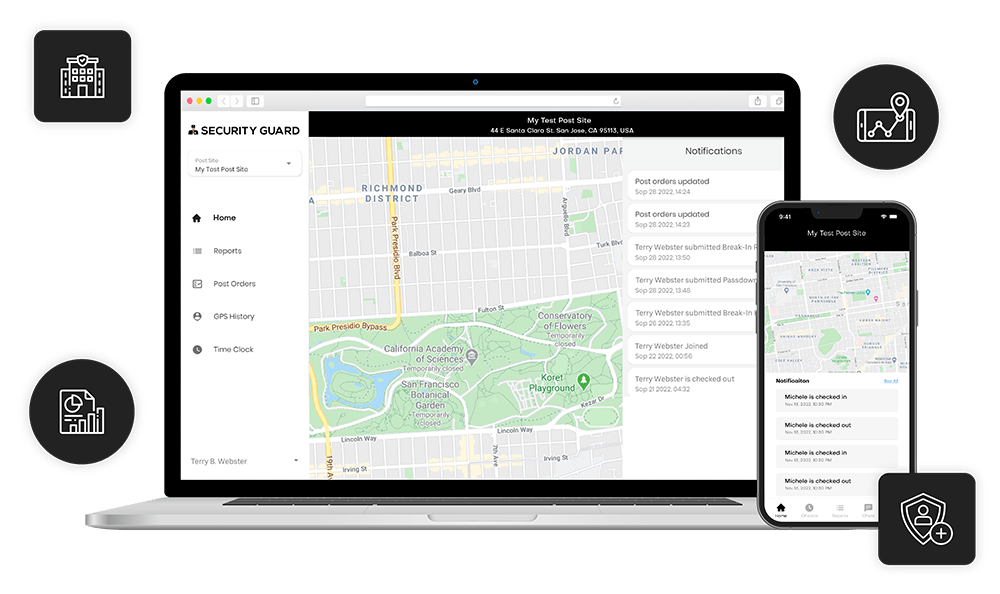
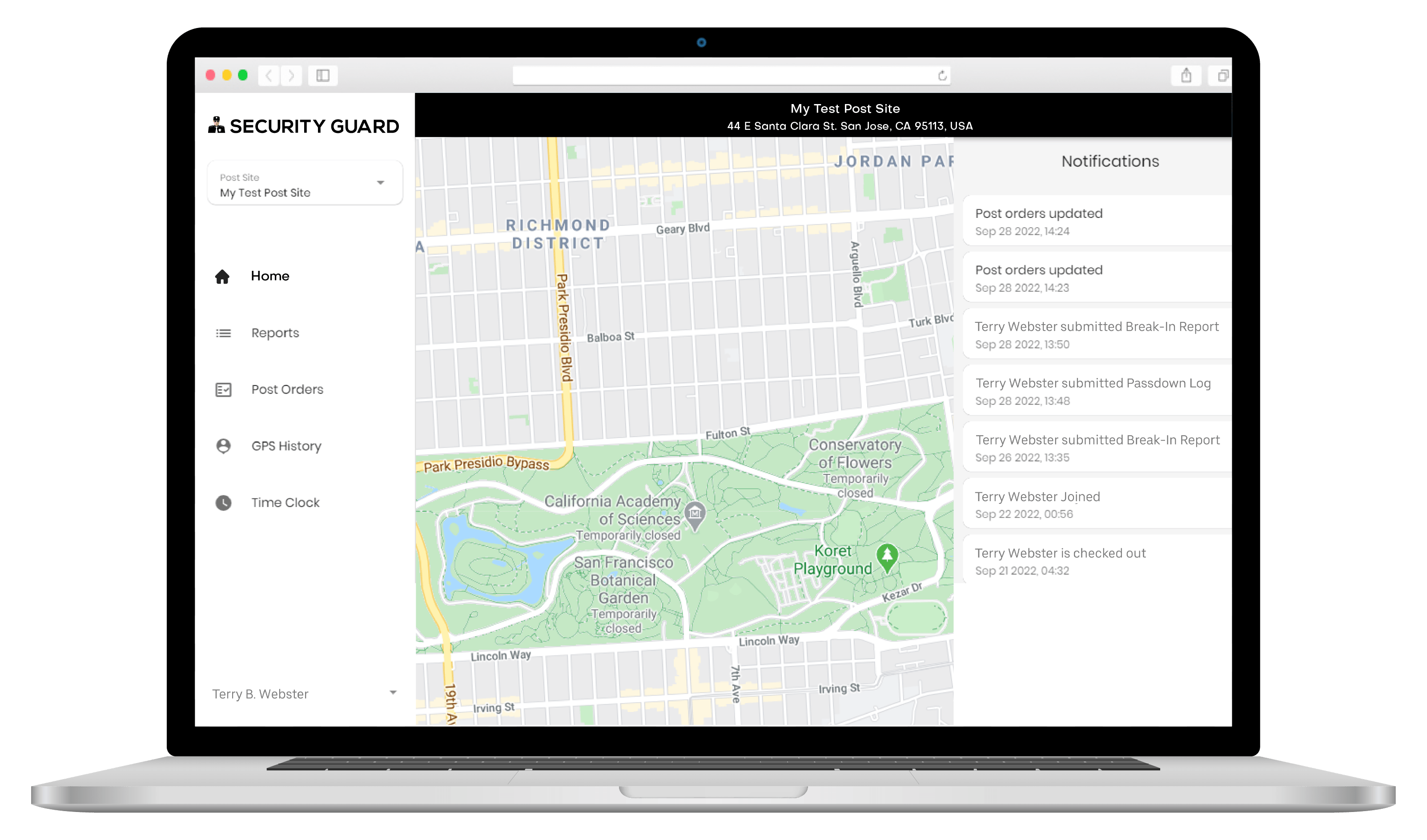
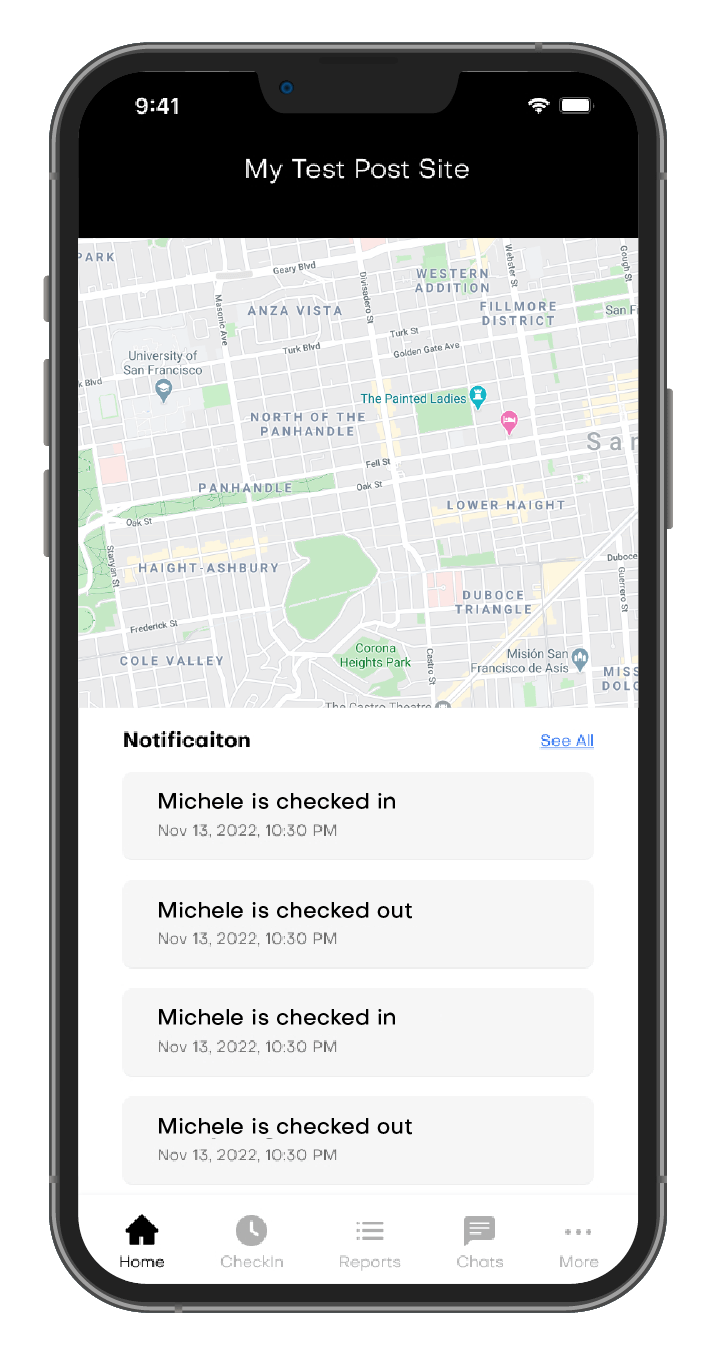




Compatible with Windows, Mac, Android, & iOS devices.