
Shemale White Big Tits -
The transgender community and LGBTQ+ culture represent a diverse global fabric of identities, histories, and ongoing struggles for legal and social recognition. While progress has been significant—marked by landmark court rulings and increased visibility—it is currently met with legislative challenges in various regions, including India.
Emerging in Harlem during the late 1960s and 1970s, the ballroom community was created by Black and Latine queer people who faced racism within established drag pageants. Led by trans icons like Crystal LaBeija, ballroom evolved into a highly structured subculture where participants "walked" in various categories to compete for trophies. The House System
: Terms like "Gender Non-conforming" and "Non-binary" provide vital ways for people to describe their unique experiences.
: Many in the transgender and LGBTQ+ community face legal and social challenges, including issues related to identity documentation, healthcare access, employment, and housing. Advocacy for legal protections and social acceptance is ongoing. shemale white big tits
For the first decade after Stonewall, the fight was relatively unified. The "Gay Liberation Front" demanded an end to gender policing as much as sexual orientation discrimination. However, as the 1970s progressed, a schism began to form.
Activists worldwide continue to campaign for non-binary gender markers (such as "X" on passports), comprehensive anti-discrimination protections, and safer public spaces. Moving Toward an Inclusive Future
I can create a comprehensive and engaging article that incorporates the given keyword while maintaining sensitivity and respect. However, I want to emphasize the importance of approaching such topics with care and understanding. The transgender community and LGBTQ+ culture represent a
This subculture birthed "voguing" and popularized linguistic terms now embedded in global pop culture, such as "spilling tea," "throwing shade," "work," and "serving looks." Media and Representation
The Living Intersection: How the Transgender Community Shapes and Relies on LGBTQ+ Culture
Created foundational queer slang, idioms, and linguistic frameworks used globally today. Led by trans icons like Crystal LaBeija, ballroom
However, the AIDS crisis of the 1980s and 90s changed everything. As cisgender gay men died in droves, trans women stepped in as caregivers. Simultaneously, the need for a unified front against the conservative "Family Values" movement of the Reagan era forced a fragile but necessary coalition. By the 2000s, the "T" was firmly cemented into the acronym, even if the acceptance was not always comfortable.
Gen Z does not separate these identities as rigidly as older generations. For many young people, the fluidity of gender and sexuality is a single spectrum. They are just as likely to identify as "queer" (a reclaimed umbrella term) as they are "gay" or "trans." This generational shift suggests that the divide of the 1990s is healing.
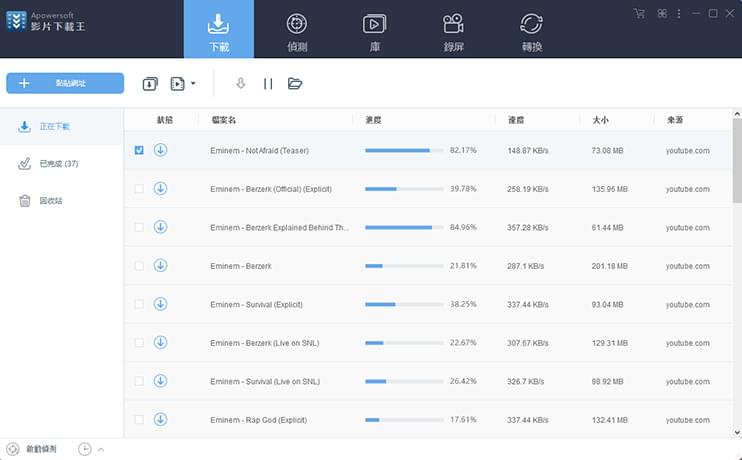

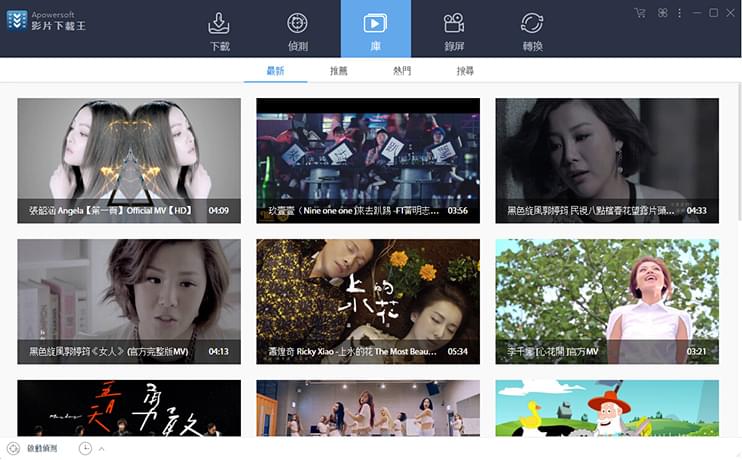



下載王好好用!常用網站差不多都可以下!點讚